






Wellbeing
Low pay and long hours put cruise worker protections in focus






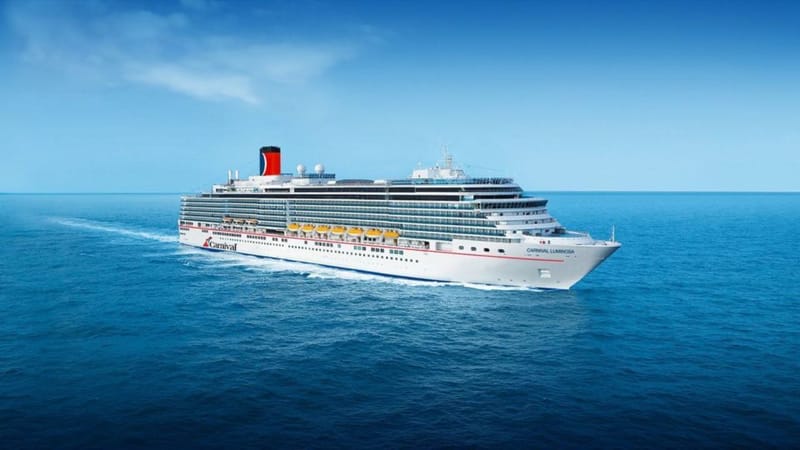
Several Carnival crew members told ABC they worked around 12 hours a day, seven days a week, for most of their nine-month contracts.
Australia's Anti-Slavery Commissioner has called for stronger protections for foreign cruise ship workers operating between Australian ports.
The comments follow an ABC investigation into allegations of low pay and poor working conditions among crew on Carnival cruise ships. The company has rejected the allegations.
Crew members told ABC they faced excessive working hours, inadequate medical care and poor food. Some alleged they were made to eat leftover buffet food that had gone rotten.
Foreign-flagged cruise ships currently do not have to comply with Australia's Fair Work Act when travelling between Australian ports. The exemption applies to certain licensing requirements and dates back to 1998.
It was introduced as a temporary measure but has been repeatedly renewed.
Anti-Slavery Commissioner Chris Evans said, "Fundamentally the situation ought to be that ships that are working through Australian ports ought to be applying conditions that are on a par with Australian conditions.”
Asked whether the exemption should be rolled back, he said, "I think some change in this area is long overdue."
Crew raise concerns over pay and working hours
Several Carnival crew members told ABC they worked around 12 hours a day, seven days a week, for most of their nine-month contracts.
One 2025 contract reviewed by ABC showed a worker receiving $33 a day.
The maritime union said many cruise workers were recruited from Africa and South East Asia.
Evans said, "Fundamentally, they are employing people from countries with very low wages rates and they're getting people prepared to work for conditions that we regard as unacceptable.”
"There's got to be some change."
Labor Senator Tony Sheldon also investigated conditions onboard a Carnival ship last month.
After speaking with dozens of crew members, Sheldon said he heard similar claims about low pay and long hours. He alleged some workers earned less than $3 an hour and that crew members had to pay for bottled water.
"These are guys operating like modern day pirates, but instead of raiding other ships, they're plundering their own crew," Sheldon said.
Carnival has denied the allegations.
Carnival rejects claims
Carnival said Australia's maritime regulator had conducted surprise inspections of its three ships in recent weeks.
"AMSA, Australia's maritime compliance regulator, has carried out surprise inspections of our three ships in recent weeks — and cleared Carnival on each occasion," the company said.
Carnival also said it complied with the Maritime Labour Convention.
The company previously told ABC that "Carnival has nothing to hide."
Sheldon said Carnival should also respect crew members' collective bargaining rights under the Maritime Labour Convention.
Carnival has accused the maritime union of using crew members as "props" to increase its membership.
Sheldon, a former secretary of the Transport Workers Union, said the allegations pointed to a wider imbalance between passenger and crew conditions.
"It looks like Carnival has a floating holiday for passengers whilst having a floating sweatshop for the crew with no voice," he said.
"It became quite clear that people felt abused on the ship."
Australian labour exemption faces deadline
The dispute comes as the government considers whether to extend the exemption for another term.
The exemption is linked to the Coastal Trading Act. A review of the legislation was completed late last year, but its findings have not been made public.
The current exemption is due to expire at the end of December.
Transport Minister Catherine King will decide whether it should be renewed.
A spokesperson for the minister said the exemption recognised the cruise industry's contribution to Australia's economy.
The government also acknowledged the differences between Australian labour laws and employment practices across the global cruise industry.
However, it said the exemption did not undermine Australia's obligations under international labour rights conventions.
Anti-Slavery Commissioner calls for change
Evans said foreign cruise operators should not be able to gain a cost advantage by paying workers under conditions that would not apply to Australian employees.
He argued that ships operating from Australian ports should meet both Australian workplace standards and international labour requirements.
"If they're working out of Australian ports they ought to be meeting those Australian conditions, and they certainly should be meeting those international conditions that are expected," Evans mentioned.
The debate places worker protections, wage standards and labour rights at the centre of the government's decision on the exemption.
With the current arrangement set to expire in December, the government faces growing pressure to determine whether the decades-old exemption still fits Australia's modern workplace and anti-slavery standards.
Author
Loading...