






Economy Policy
Will Victoria’s WFH law give employees a 2-day work-from-home right from 2027?






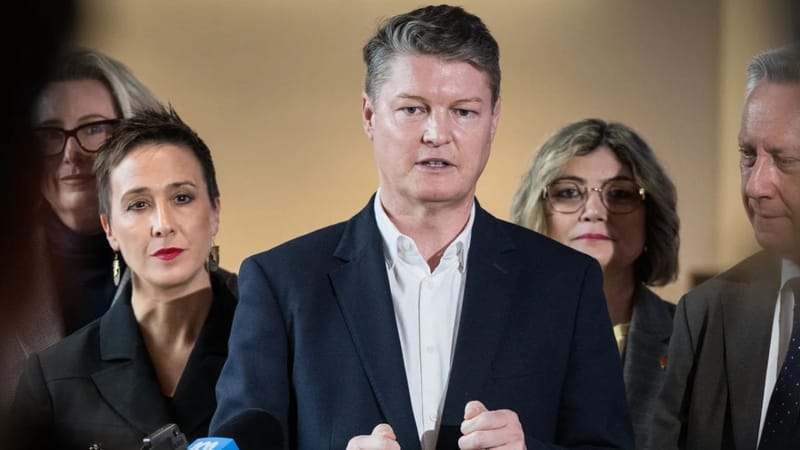
Victoria’s new WFH law will give eligible employees greater flexibility from 2027, while employers get more time to respond and manage remote-work arrangements.
Victoria’s proposed work-from-home law is set to give eligible employees the right to work from home for up to two days a week, with implementation for larger businesses delayed until 1 July 2027 following amendments introduced by Premier Ben Carroll, according to media reports.
The Victorian Government has amended its proposed legislation to address concerns raised by businesses while retaining the planned legal right to request and undertake remote work.
Under the revised framework, eligible employees who live in Victoria will be able to work from home for up to two days a week where they are reasonably able to do so.
The changes are aimed at balancing employee flexibility with employers’ ability to manage operational requirements.
More time for employers
One of the key amendments gives employers 28 days, up from 21 days, to respond to an employee’s work-from-home notice.
Employers will also be able to pause or revoke agreed work-from-home arrangements where continuing them becomes unreasonable.
The legislation will not allow employers to change an employee’s agreed working days or hours simply because the employee exercises the new right. It will also operate alongside existing federal flexible-work rights.
Employer costs under the framework will be limited to essential equipment and technology needed to enable remote work, such as laptops, software and secure IT access. Employers will not be required to cover basic household costs such as home internet or utilities.
Read more: Flexible work debate widens as Australia weighs right to work from home bill
Implementation pushed back
The implementation timeline has also been delayed.
For businesses with 15 or more employees, the new arrangements are scheduled to begin on 1 July 2027. Businesses with fewer than 15 employees will have until 1 January 2028 to comply.
The government will also conduct an independent review after 18 months, rather than the previously proposed three-year review period.
Employers flag workforce risks
The amendments come as Victorian businesses continue to raise concerns about the potential impact of the legislation on hiring and workforce decisions.
A Remote survey found that 43% of Victorian businesses are considering moving jobs overseas, while 36% are considering shifting hiring interstate. Nearly half also said they would be more likely to use contractors.
Nick Martin, Remote Asia Pacific executive said, “While the legislation is yet to be passed, Victorian employers are signalling that the new laws, which were designed to give workers greater certainty around flexible work, could inadvertently deliver greater job insecurity and reduced opportunity for Victorian workers.”
Government defends reform
Carroll has defended the legislation, arguing that the revised framework needs to work for both employees and businesses.
He said, “Work from home works, and in Victoria, it will be your right.”
“These laws must work for business too – because the reality is, if it’s not practical, the laws won’t last.”
The Coalition has indicated it will support the amendments and does not plan to reverse the legislation if it forms government after the November election.
The Greens, however, remain opposed to the changes.
The legislation is being introduced through Victoria’s Equal Opportunity Act, with the government seeking to ensure the framework can withstand a potential High Court challenge. The proposed review will assess how the law operates after 18 months.
Also read: No degree, six figures: Australia’s highest-paying jobs revealed
Author
Loading...