






Business
KPMG chair steps down as whistleblower scandal triggers leadership shake-up






His exit comes alongside the departures of former chief operating officer Eileen Hoggett and audit partner Paul Rogers, both of whom are under investigation by corporate regulator ASIC.
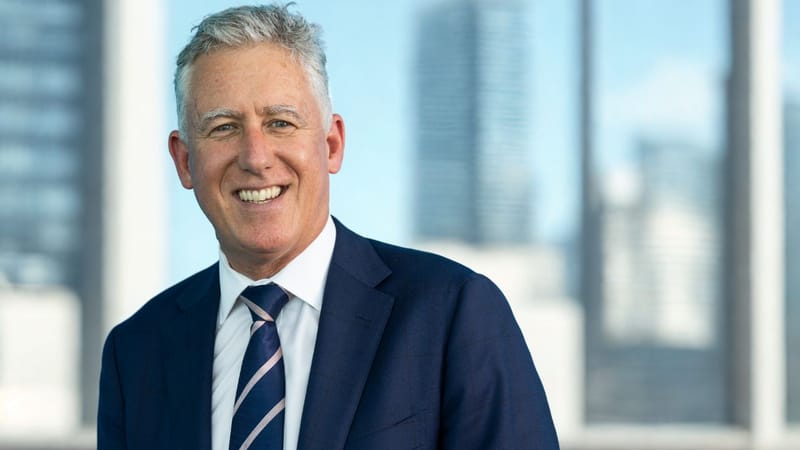
KPMG Australia chair Martin Sheppard has resigned as the firm faces escalating scrutiny over allegations involving the misuse of confidential client information and its handling of a whistleblower, as reported by ABC.
Sheppard will leave the firm in the coming weeks and step down from his regional board roles.
His exit comes alongside the departures of former chief operating officer Eileen Hoggett and audit partner Paul Rogers, both of whom are under investigation by corporate regulator ASIC.
The departures follow revelations that KPMG improperly used confidential information belonging to client Lendlease, alongside allegations concerning the firm's treatment of a whistleblower.
Reports of a separate confidentiality breach involving telecommunications provider Optus have added to the pressure on the firm.
Mounting pressure
KPMG has faced growing scrutiny since allegations made by a former employee were raised in federal parliament by Labor senator Deborah O'Neill in March.
Since then, former chief executive Andrew Yates has left the business, while former audit chief Julian McPherson and Hoggett were removed from their leadership positions.
Following a heated parliamentary hearing last week, O'Neill questioned whether KPMG's leadership could regain public confidence.
The senator criticised Sheppard for defending the firm during the hearing, particularly after he reversed KPMG's position on legal professional privilege and agreed to hand over documents relating to its dealings with law firms Ashurst and Allens.
"If you woke up this morning as a partner and one of the good apples at KPMG, you'd have to wonder what on earth the leadership team thinks it's doing," O'Neill said.
She also described the firm's response to the allegations as "a protracted cover-up".
Governance reset
As part of efforts to restore trust, KPMG has announced a broad governance overhaul.
The firm plans to appoint its first independent chair, expand independent representation on its Australian board and establish committees focused on audit quality, ethics, whistleblower oversight and public-interest matters.
KPMG has also engaged Principia Advisory to conduct an independent review of its whistleblower processes, with findings set to be made public.
The measures will complement a separate review commissioned by the Commonwealth Department of Finance, which KPMG has said it will fully support.
Rebuilding trust
Interim chief executive Stan Stavros acknowledged the firm's failings and said decisive action was required.
"The decisions announced today are necessary and immediate. We did not meet the standards expected of us, and we recognise the impact this has had on the whistleblower, our people, our clients and the community," he said.
"Trust will only be rebuilt through sustained action and demonstrable change. We are determined to confront what went wrong, act transparently and ensure these failings are not repeated.
"The Parliamentary Committee's enquiries highlighted issues, including unethical behaviour by senior personnel and the human impact of KPMG's handling of the whistleblower. KPMG Australia is focused on ensuring those failings are understood, addressed and not repeated."
Future at risk
Former NSW Court of Appeal judge Anthony Whealy warned that the scandal could have serious long-term consequences for KPMG Australia.
Speaking to ABC's The Business, he said the firm was facing an increasingly difficult position.
"They've been caught out over a number of issues," Whealy said.
He warned the firm could face significant financial repercussions and highlighted its current suspension from bidding for new federal government contracts until September.
Whealy also argued that the scandal has renewed concerns about potential conflicts of interest within the Big Four accounting firms, which combine auditing and consulting operations.
"There is also a massive conflict of interest that arises when doing audit work — they're able to seize valuable material that helps them move in on another client and gain a contract that way," he said.
Wider implications
With consulting accounting for an estimated 40 to 45 per cent of KPMG Australia's revenue, Whealy suggested the firm could face further setbacks if clients or government agencies reduce their engagement.
"I think they're moving down the path where it can be expected — it may well be expected — that they'll have those contracts stripped away from them," he said.
The controversy follows the 2023 PwC tax leaks scandal, which also raised questions about governance and ethics within Australia's professional services sector.
"PWC's problems, where they've used confidential tax information from the government to advise their clients on how to avoid tax, here it emerges again with just as disgusting behaviour from a commercial and ethical point of view," Whealy said.
The latest developments mark one of the most significant crises in KPMG Australia's history. With leadership changes underway, multiple investigations in progress and governance reforms being rolled out, the firm faces a lengthy challenge to restore trust among clients, regulators, employees and the wider public.
Author
Loading...