







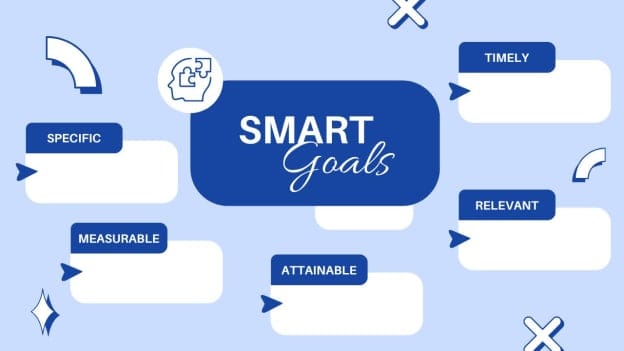
As the workplace continues to evolve, HR professionals are tasked with more than just handling administrative functions. In 2025, Human Resources will play a crucial role in driving organizational success, not only by attracting top talent but also by ensuring employee satisfaction, engagement, and fostering a culture of innovation. By adopting SMART (Specific, Measurable, Achievable, Relevant, and Time-Bound) goals, HR leaders can strategically align their initiatives with business objectives and unlock organizational excellence.
This article delves into five key focus areas for HR in 2025: Talent Acquisition, Employee Retention, Performance Management, Diversity and Inclusion (D&I), and Compliance. It explores how HR teams can leverage SMART goals to drive organizational growth and build a more resilient workforce.
1. HR Goals for Talent Acquisition & Recruitment
In a fast-paced, competitive job market, acquiring the right talent is one of the most significant challenges faced by organizations. As the demand for skilled professionals intensifies, HR leaders must refine their talent acquisition strategies to not only attract top candidates but also engage them meaningfully.
SMART Talent Acquisition Goals:
- Expand Candidate Pool: Increase the talent database by 20% within six months.
- Reduce Time-to-Hire: Achieve a 15% reduction in the average time-to-fill for all positions within the next quarter.
- Improve Employer Brand: Enhance online employer reviews by 20% within one year.
- Increase Diversity in Hiring: Boost the representation of underrepresented candidates in the hiring pipeline by 25% over the next six months.
- Optimize Recruitment Analytics: Raise the utilization of recruitment analytics tools by 30% and improve efficiency by 15% within three months.
Strategies for Success:
- Embrace Technology: Implement AI-driven applicant tracking systems and smart resume screening tools to streamline the recruitment process.
- Targeted Outreach: Use data-driven campaigns on social media, job boards, and professional networks to attract diverse talent.
- Adopt Innovative Practices: Consider gamified recruitment techniques or virtual job fairs to appeal to tech-savvy and innovative candidates.
By setting clear, measurable goals like database growth and diversity improvement, HR teams can address talent acquisition challenges effectively and position their organization as an employer of choice.
2. HR Goals for Employee Retention & Engagement
While attracting top talent is important, retaining skilled employees is just as vital. In 2025, employee engagement and retention will be pivotal to an organization's success, and HR must focus on creating a workplace that employees are excited to be part of.
SMART Retention & Engagement Goals:
- Increase Engagement Scores: Achieve a 10% improvement in Employee Engagement Survey (EES) scores within two quarters.
- Enhance Communication Satisfaction: Improve satisfaction with internal communication channels by 15% based on the next employee feedback survey.
- Promote Professional Development: Ensure 80% employee participation in at least one professional development program annually.
- Improve Recognition Programs: Increase employee satisfaction with recognition programs by 20% within six months.
- Reduce Burnout: Decrease reported burnout incidents by 15% in the next quarter.
Strategies for Success:
- Focus on Development: Provide access to workshops, mentorship opportunities, and career development programs.
- Revamp Recognition Programs: Create tailored recognition programs that celebrate employee achievements and contributions.
- Continuous Feedback: Establish a feedback-rich environment with regular check-ins between managers and employees to ensure alignment and foster ongoing development.
By focusing on measurable engagement metrics and offering personalized professional development opportunities, HR can boost employee satisfaction and retention, ultimately creating a stronger, more motivated workforce.
3. HR Goals for Performance Management
Effective performance management ensures that employees’ goals align with the organization’s strategic objectives. In 2025, HR must implement agile performance management practices to boost productivity, employee morale, and organizational growth.
SMART Performance Management Goals:
- Improve Review Completion Rates: Achieve a 20% increase in the completion rate of performance reviews within one quarter.
- Align Individual Goals: Ensure that 15% more employees have their individual goals aligned with organizational objectives within six months.
- Enhance Feedback Frequency: Increase the frequency of manager-employee feedback sessions by 30% over three months.
- Develop High-Potential Employees: Create career development plans for 15% more high-potential employees within a year.
- Reduce Turnover for High-Performing Employees: Decrease turnover rates by 10%, especially for employees on performance improvement plans, within six months.
Strategies for Success:
- Utilize Technology: Leverage performance management software to track goals, gather feedback, and ensure transparency in evaluations.
- Clear Metrics: Establish clear and measurable performance goals that directly tie to the organization’s objectives.
- Shift to Continuous Feedback: Move beyond annual reviews and adopt continuous feedback mechanisms to keep employees aligned and engaged.
By focusing on regular feedback, development, and clear performance metrics, HR can ensure employees feel supported, valued, and motivated to contribute to the organization’s success.
4. HR Goals for Diversity and Inclusion (D&I)
Diversity and Inclusion are no longer just buzzwords. They are vital to fostering creativity, innovation, and employee well-being. HR leaders in 2025 must set SMART goals to ensure that their organizations are not only diverse but also inclusive, providing opportunities for all employees to thrive.
SMART D&I Goals:
- Increase Leadership Diversity: Achieve a 15% increase in underrepresented groups in leadership roles within one year.
- Conduct Pay Equity Analysis: Complete a comprehensive pay equity analysis and address disparities within six months.
- Boost Diverse Hiring Pipeline: Increase the representation of diverse candidates in the recruitment pipeline by 20% over the next quarter.
- Complete D&I Training: Ensure 100% completion of diversity and inclusion training for employees within three months.
- Reduce Bias in Hiring and Promotions: Decrease bias-related incidents in hiring and promotions by 15% within six months.
Strategies for Success:
- Inclusive Hiring Practices: Actively source candidates from underrepresented groups and create opportunities for career advancement for all employees.
- Bias Training: Offer unconscious bias training to raise awareness and drive changes in decision-making processes.
- Employee Resource Groups: Establish and support ERGs to provide a safe space for underrepresented employees and advocate for a more inclusive culture.
A strong D&I strategy not only benefits employees but also contributes to the company’s reputation and ability to attract top talent, making it a competitive advantage in today’s global marketplace.
5. HR Goals for Strengthening Compliance
Compliance is a cornerstone of HR operations. In 2025, HR professionals must ensure their organizations adhere to all labor laws, data protection regulations, and ethical standards. Non-compliance can lead to costly penalties and damage to an organization’s reputation.
SMART Compliance Goals:
Achieve 100% Compliance Training Participation: Ensure 100% participation in mandatory HR compliance training within the next quarter.
- Enhance Data Security: Improve data security measures by 20% over the next six months.
- Review Policies Regularly: Review and update at least three critical HR policies within the next quarter.
- Ensure Full Legal Compliance: Attain full compliance with labor laws, verified through quarterly audits.
Reduce Documentation Overdue: Reduce overdue compliance documentation by 25% by implementing a centralized tracking system within three months.
Strategies for Success:
- Regular Audits: Conduct regular compliance audits to ensure that HR policies and practices are up to date and legally compliant.
- Ongoing Training: Provide continuous compliance training for employees and managers, ensuring they understand the latest regulations.
- Expert Guidance: Work closely with legal experts to navigate complex regulatory landscapes and address potential challenges proactively.
Compliance ensures the legal safety and ethical integrity of the organization while building trust with employees and stakeholders.
How SMART Goals Drive Organizational Excellence
SMART goals provide a structured approach that helps HR leaders and teams stay focused on their objectives. They allow for clear alignment between HR initiatives and organizational priorities, making it easier to track progress and demonstrate results. SMART goals not only improve accountability but also foster a data-driven culture where decisions are made based on measurable outcomes.
For example, increasing the diversity in the recruitment pipeline by 20% within three months is not just an ambitious target—it’s a tangible goal that can be tracked, assessed, and refined. Similarly, ensuring that 100% of employees complete diversity and inclusion training within three months strengthens the organization’s commitment to a truly inclusive culture.
Here’s to making 2025 the year we all level up – whether it’s our careers, our curiosity, or just the sheer amount of coffee we can handle before 3 p.m.
Happy New Year, folks! Let's make it extraordinary!