






Strategic HR
Virgin Australia trims corporate jobs as Middle East crisis sends airline costs soaring






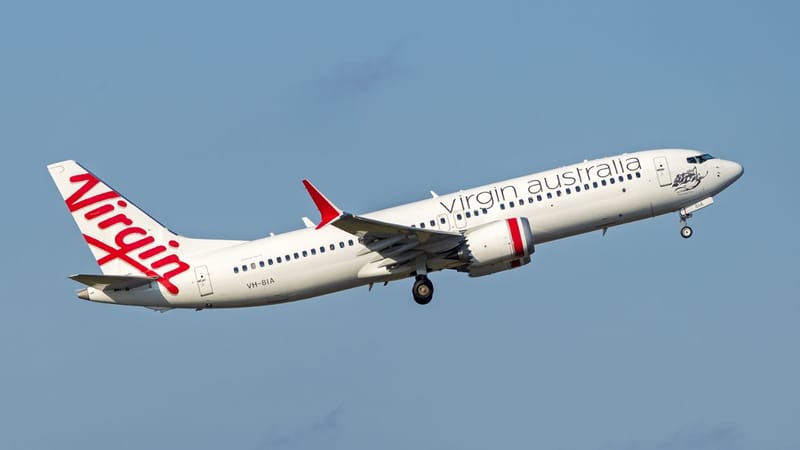
Virgin Australia has already reduced some flight schedules and lifted ticket prices in an effort to protect margins as fuel expenses climb.
Virgin Australia has cut a number of corporate roles as mounting fuel costs and global aviation disruption triggered by the Middle East conflict continue to squeeze airline profitability.
The airline declined to reveal how many employees had been affected, describing the move as part of a routine business review aimed at keeping operations sustainable amid worsening industry conditions.
“Like all businesses, we continually review our operating model to ensure we remain a strong, resilient business for the long term,” a spokesperson for the airline said.
“As part of that focus, we have recently made some adjustments affecting a small number of corporate roles, as we do from time to time.”
Fuel crunch
Airlines across the globe have been grappling with sharp increases in operating costs since the conflict involving Iran intensified earlier this year, sending oil and jet fuel prices higher and disrupting aviation supply chains.
Virgin Australia has already reduced some flight schedules and lifted ticket prices in an effort to protect margins as fuel expenses climb.
The airline said its fuel hedging programme had softened the blow, limiting the increase in fuel-related costs to between $30 million and $40 million during the second half of 2026.
The cuts to non-customer-facing roles mirror similar restructuring across the aviation sector. Qantas announced 400 corporate job cuts late last year as airlines increasingly look for efficiencies while also investing in new technologies.
Industry squeeze
The aviation industry is now confronting a difficult mix of rising structural costs and pressure to modernise operations.
The impact is extending beyond airlines. Recent workforce reductions have also been seen at Commonwealth Bank, National Australia Bank and Bendigo and Adelaide Bank, while ANZ Bank announced sweeping cuts last year.
Despite the uncertainty, demand for travel remains resilient.
Virgin Australia’s pre-tax earnings climbed 11.7% to $490 million in the six months to December, driven by strong leisure travel demand and higher revenue before the latest fuel shock began weighing on the industry.
Routes under threat
Conditions have since deteriorated sharply.
According to data from aviation analytics firm Cirium, global airline capacity for May fell by around three percentage points as carriers reassessed routes and fuel exposure.
The Albanese government said on Tuesday it had secured three shipments of jet fuel from China to help stabilise supply. Qantas, which has warned of up to $800 million in additional fuel costs in the second half of 2026, welcomed the move.
Meanwhile, low-cost carrier AirAsia has scrapped its daily Melbourne-to-Bali service less than three months after launch, saying the route was no longer commercially viable.
The decision had been made “in response to the sustained increase in global jet fuel prices caused by the ongoing geopolitical uncertainty in the Middle East,” said AirAsia Indonesia general manager Achmad Sadikin Abdurachman.
As fuel prices continue to climb and geopolitical tensions remain unresolved, airlines are increasingly being forced to choose between protecting profits and preserving growth.
Topics
Author
Loading...