






Strategic HR
Federal judge halts Trump's government workforce reduction programme






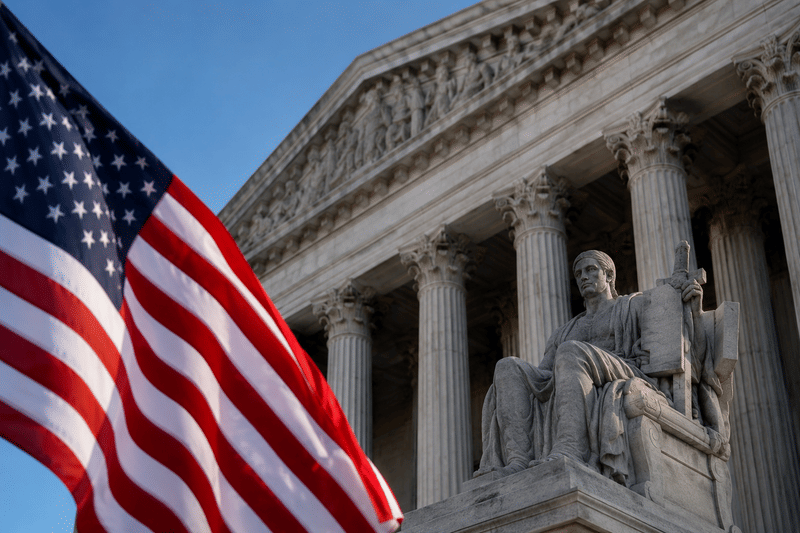
A federal court has temporarily stopped the US Department of Justice from advancing a controversial compensation fund linked to President Donald Trump's claims of political prosecution, setting up a legal battle over the programme's authority and constitutionality.
A US federal judge has temporarily blocked the Department of Justice (DOJ) from taking further steps to establish and operate a multibillion-dollar fund created under the administration of President Donald Trump, marking an early legal setback for one of the administration's most controversial initiatives.
The ruling by US District Judge Leonie Brinkema in Virginia prevents the DOJ from transferring money into the fund, reviewing claims or distributing payments while litigation challenging the programme proceeds through the courts.
The decision preserves the status quo until the court considers requests for a longer-term injunction.
Court intervenes as legal challenge gains momentum
According to CNBC, Judge Brinkema issued the temporary order on 29 May and scheduled a hearing for 12 June to determine whether the injunction should remain in place while the case moves forward.
The lawsuit is one of several legal challenges targeting the DOJ's proposed Anti-Weaponization Fund, which was announced earlier this month by Acting Attorney General Todd Blanche.
The fund was created as part of a settlement stemming from Trump's lawsuit against the Internal Revenue Service (IRS) over the disclosure of his tax records by an IRS employee.
Under the court order, the DOJ is barred from:
- Transferring money into the Anti-Weaponization Fund
- Processing claims submitted to the fund
- Disbursing any payments from the fund
- Taking additional steps to advance the fund's operation
In her ruling, Brinkema said maintaining existing conditions was important until pending legal questions were resolved.
Fund at centre of political and legal dispute
The Anti-Weaponization Fund is intended to compensate individuals who claim they were subjected to prosecutorial misconduct or politically motivated legal action during the administration of former President Joe Biden.
Supporters of the programme describe it as a mechanism to provide restitution to individuals they believe were unfairly targeted by federal authorities.
Critics, however, have questioned both the legal basis for the fund and its intended beneficiaries.
The programme has attracted particular scrutiny because several Trump allies have publicly expressed interest in seeking compensation from it.
Opponents have also raised concerns about the fund's structure, authority and compliance with constitutional principles.
Plaintiffs challenge legality of programme
The lawsuit before Brinkema was brought by multiple plaintiffs, including former federal prosecutor Andrew Floyd, university professor Jonathan Caravello, and the City of New Haven.
The legal action is being supported by advocacy organisation Democracy Forward.
According to CNBC, the plaintiffs contend that the executive branch lacks authority to create and administer such a fund without congressional approval and have raised broader constitutional objections.
Following the ruling, Democracy Forward chief executive Skye Perryman, who is representing the plaintiffs, described the injunction as an important early victory in the case.
Meanwhile, the DOJ defended the initiative and maintained confidence in its legality.
A department spokesperson told CNBC that the government believes the fund is supported by legal precedent and said officials would continue defending the programme in court.
More court scrutiny expected in coming weeks
The Virginia case is not the only legal challenge facing the fund.
CNBC reported that a separate federal judge in Washington, DC, scheduled a hearing after another lawsuit sought a temporary restraining order against the programme.
The growing number of legal challenges means the future of the Anti-Weaponization Fund is likely to remain uncertain for some time.
For the Trump administration, the case could become an important test of executive authority and the limits of presidential power in establishing compensation mechanisms outside the normal congressional appropriations process.
As courts weigh competing legal arguments over the coming weeks, the outcome may determine whether the administration can move forward with the fund or whether it faces a prolonged judicial battle before any payments can be made.
Topics
Author
Loading...