






Organisational Culture
FedEx workers to strike in Australia over job security, AI and automation






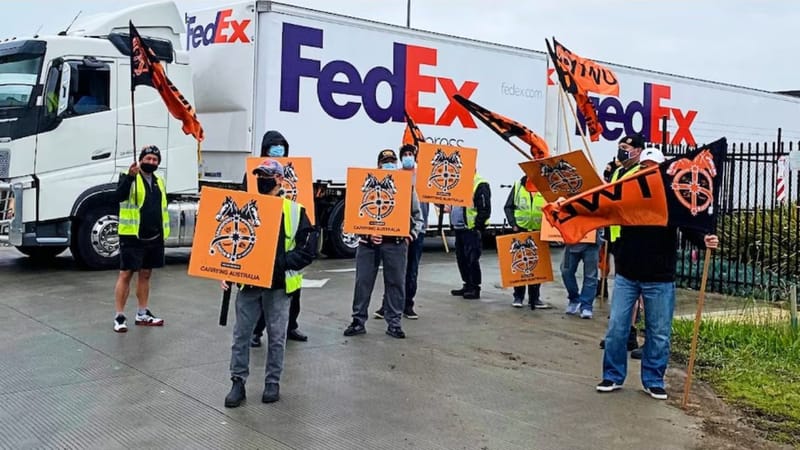
The TWU said 91% of FedEx workers backed the strike after rejecting FedEx’s offer on job security protections.
Thousands of workers to join two-hour stoppage over outsourcing and workplace protections
Thousands of FedEx workers in Australia will stop work for two hours on Friday after voting overwhelmingly for industrial action over job security, outsourcing, AI and automation, as reported by HRD.
The Transport Workers Union (TWU) said 91% of FedEx workers backed the strike last week, following the rejection of a company offer that workers said failed to provide sufficient job security protections.
The union is seeking safeguards against work being outsourced, along with protections for employees as AI and automation reshape the transport and logistics industry.
The action also comes as the TWU raises concerns over FedEx's use of contracted drivers on piece rates. The union claims some drivers are required to deliver a parcel as frequently as every four minutes.
"FedEx workers are standing up for their families, their communities, and the future of the transport industry," said Michael Kaine, national secretary of the TWU, in a statement.
"They are asking for nothing more than secure work, a safe job, and the certainty that they can provide for their families."
FedEx strike highlights 'Amazon effect' on transport jobs
The FedEx dispute comes amid wider concerns about the impact of the so-called "Amazon effect" on Australia's transport and logistics workforce.
Thousands of transport workers are also voting on industrial action across more than 200 agreements as the TWU campaigns for stronger job security and employment standards.
The union has criticised Amazon's Flex delivery model, which it says relies on workers completing delivery "blocks" on below-minimum wages and conditions.
The TWU argues that such models are putting pressure on traditional transport operators to reduce labour costs and shift towards insecure, algorithmically managed work.
"FedEx workers can see exactly where this leads," Kaine said.
"Amazon fuelled an industry crisis by turning decent transport jobs into insecure, low-paid, algorithmically managed work, and FedEx is choosing to go down that path instead of standing with responsible Australian operators."
The union has urged FedEx to work with employees and follow companies including Linfox, Bevchain and Team Global Express in improving workplace conditions.
AI and automation add to job security concerns
The dispute reflects broader concerns among Australian transport workers about how AI, automation and new delivery models could affect employment, working conditions and job security.
For FedEx employees, the TWU is seeking protections that would give workers greater certainty as technology and outsourcing change the structure of the industry.
"The door remains open. FedEx can come back to the table and reach an agreement that gives workers confidence in their future, protects the families who depend on these jobs, and helps make transport safer and more sustainable for everyone," Kaine said.
FedEx says it remains committed to negotiations
FedEx said it remains committed to reaching an agreement with its workforce and supporting minimum standards for contractors across the transport sector.
"FedEx remains committed to working constructively towards an agreement that delivers value" for its people.
"FedEx supports minimum standards for contractors in the transport industry and has engaged constructively in the FWC process and industry forums," a spokesperson told the Australian Financial Review.
"We support progressing industry-wide standards that contribute to the sustainability of the sector for the benefit of workers, customers, and communities alike."
The planned FedEx strike comes as Australia's transport industry faces growing pressure from AI adoption, automation, outsourcing, contractor-based delivery models and changing employment practices, putting job security and workplace conditions firmly in focus.
Author
Loading...