






Employee Value Proposition
World Cup fever set to disrupt workplaces as productivity concerns grow






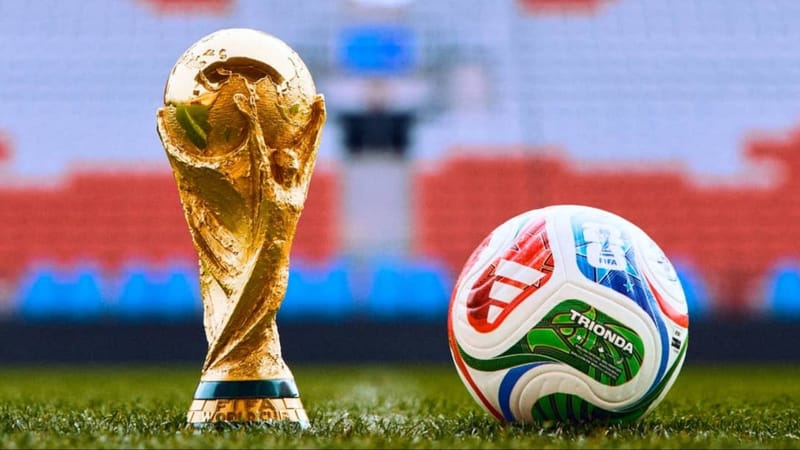
The World Cup runs from 11 June to 19 July and is expected to dominate conversations both inside and outside the workplace.
The countdown to the FIFA World Cup is not only building excitement among football fans. It is also raising concerns for employers worldwide, reported by Reuters.
A new survey by UKG suggests the month-long tournament could cost global businesses an estimated US$17 billion in lost productivity as workers plan to alter their schedules to follow the action.
The World Cup runs from 11 June to 19 July and is expected to dominate conversations both inside and outside the workplace, as mentioned in various media reports.
Time off plans
According to the survey, 37% of employees intend to adjust their working hours because of the tournament.
More than a quarter of workers, 27%, said they are likely to miss work by arriving late, leaving early or not showing up at all.
The survey also found that 11% expect to work while hungover after watching matches, while 14% admitted they would secretly stream games or highlights during working hours.
UKG surveyed 8,000 employees across Australia, Canada, France, Germany, Mexico, the Netherlands, the UK and the US to understand the tournament's impact on workplaces.
Billions at stake
This year's expanded World Cup, co-hosted by the United States, Canada and Mexico, will feature 48 nations competing across 104 matches.
The survey estimates the tournament could result in US$11.7 billion in lost productivity in the United States alone.
Germany is expected to face the second-largest impact, with estimated productivity losses of US$1.34 billion.
"When absenteeism and presenteeism hit at scale, the effect is immediate and expensive," said Suresh Vittal, chief product officer, UKG. "Productivity drops, customer experience suffers, and morale takes a hit as the rest of the team is left to cover the gaps."
Managers joining in
The attraction of major fixtures is not limited to employees.
The survey found that 42% of managers are likely to take a day off to watch matches, while 45% expect to request last-minute flexibility to fit games into their schedules.
The findings highlight the challenge employers may face in balancing business needs with one of the world's biggest sporting events.
Author
Loading...