






Economy Policy
New Zealand’s economic slowdown clouds path back to budget surplus





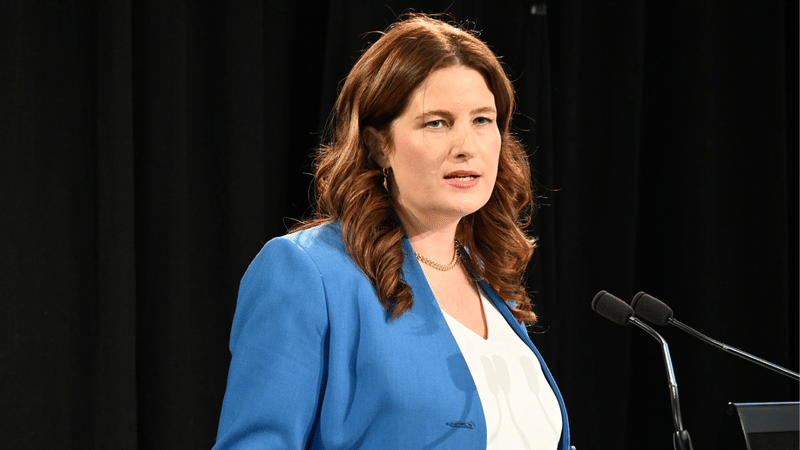
Weak growth, rising deficits and global uncertainty are weighing on New Zealand’s fiscal outlook, pushing any return to surplus further into the future.
New Zealand’s latest fiscal forecasts have underscored the strain a slowing economy is placing on government finances, with officials now conceding that a return to budget surplus is unlikely over the next five years.
The half-year economic and fiscal update released on Tuesday shows the country running deeper deficits than previously expected, as subdued domestic demand and global uncertainty offset efforts by the government to rein in spending. The economy has contracted in three of the past five quarters, with weak consumer activity and concerns over US trade policy weighing on confidence.
Finance Minister Nicola Willis said there were early signs of recovery, with third-quarter data due later this week expected to show growth. Treasury is forecasting improved momentum over the next 18 months, supported by easing inflation and stabilising conditions. “With fresh air in its lungs, the economy is picking up,” Willis said, while reaffirming the government’s commitment to fiscal restraint.
Since taking office in late 2023, the centre-right government has moved aggressively to curb what it views as inefficient expenditure. However, critics argue that tight spending controls risk dampening recovery at a time when external risks remain elevated. Willis said future spending would prioritise health, education, defence, and law and order ahead of the May budget.
The government now expects a deficit of NZ$16.93 billion for the current financial year, wider than the NZ$15.60 billion projected in May. Including costs linked to the national accident insurance scheme, forecasts show no return to surplus over the five-year outlook, with a small deficit of NZ$60 million projected for the year ending June 2030.
Economic growth is expected to slow to 1.7% in the year to June 2026, down from earlier forecasts, before rebounding to 3.4% the following year. Net debt is now projected to peak at 46.9% of GDP in 2027/28, slightly higher than previously anticipated.
Topics
Author
Loading...