






Economy Policy
Fair Work Commission proposes major workplace rule changes across Australia






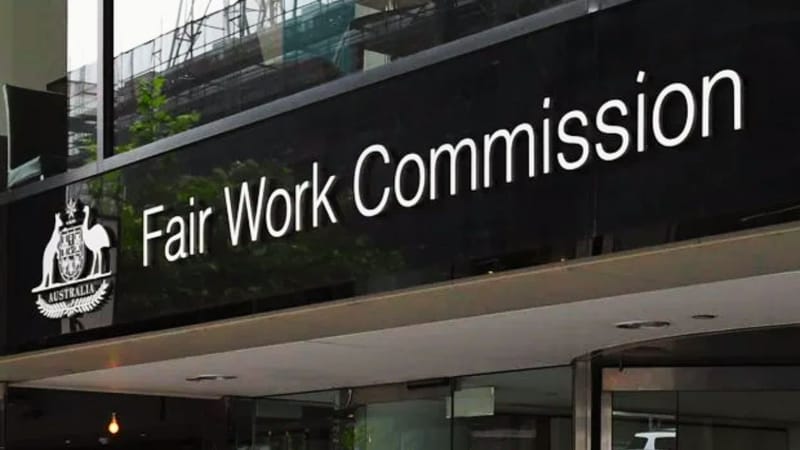
The exposure draft of the Fair Work Commission Amendment seeks to modernise commission processes, expand digital services and strengthen protections for gig economy workers.
Australia’s national workplace relations tribunal has unveiled a sweeping package of proposed rule changes that could reshape how employers, employees and HR professionals engage with the Fair Work Commission (FWC).
The exposure draft of the Fair Work Commission Amendment (2026 Measures No.1) Rules 2026, released by Justice Adam Hatcher, seeks to modernise commission processes, expand digital services and strengthen protections for gig economy workers. Stakeholders have until 1 July 2026 to provide feedback on the proposed amendments.
The changes would amend the Fair Work Commission Rules 2024 and introduce new procedures covering digital lodgement, dispute response deadlines, enterprise agreement approvals and protections for regulated workers, according to HRD.
New digital systems
One of the most significant reforms is the rollout of MyFWC, a new electronic lodgement platform designed to streamline applications and case management.
Under the proposed rules, unfair dismissal applications and general protection dismissal applications could be submitted through the MyFWC system, alongside supporting documentation and responses from employers.
The commission has also clarified the range of matters that may continue to be lodged through its existing online facilities.
These include applications for approval of enterprise agreements, excluding greenfields agreements, general protections applications not involving dismissal, unlawful termination claims and applications to stop workplace bullying.
For HR teams and employment relations professionals, the shift signals a broader move towards digital-first case administration.
Enterprise agreement changes
The draft rules introduce a new requirement for employers seeking approval of enterprise agreements.
Applications would need to include a digital copy of the agreement in its original electronic format, such as a Word or RTF document, or a PDF exported directly from word-processing software. Scanned copies would no longer be accepted.
The commission says the measure is intended to improve machine readability and accelerate the enterprise agreement approval process.
Faster response deadlines
Employers may also need to review their compliance and dispute-management processes as the proposed rules introduce tighter response deadlines.
Respondents to disputes involving the employee right to disconnect would be required to lodge a response within seven days of receiving an application.
The same seven-day timeframe would apply to unfair deactivation and unfair termination remedy applications, rights introduced under the Fair Work Legislation Amendment (Closing Loopholes No.2) Act 2024.
For regulated labour hire arrangement order applications, respondents would have 14 days from the date of lodgement to respond.
The proposed amendments also require respondents in unfair dismissal and general protections dismissal matters to identify any jurisdictional objections when filing their response.
Gig worker protections
A substantial portion of the reforms reflects the commission’s expanded responsibilities following the Closing Loopholes legislation introduced in 2023 and 2024.
The FWC now oversees minimum standards for regulated workers, including employee-like gig economy workers such as food delivery riders and rideshare contractors, as well as individuals operating within road transport contractual chains.
Under the proposed changes, matters relating to minimum standards for regulated workers and road transport contractual chains would be added to the list of proceedings where parties may be represented by a lawyer or paid agent without first obtaining permission from the commission.
The amendments would also allow applications for unfair deactivation and unfair termination remedies to be lodged by telephone, extending an option already available for unfair dismissal and general protection dismissal claims.
Collective agreement reforms
The proposal introduces new procedural requirements for collective agreements between regulated businesses and worker organisations.
Parties issuing consultation notices for proposed collective agreements would be required to lodge a prescribed form containing relevant information alongside the notice.
Applications to register or vary a collective agreement would also need to be served together with all supporting documents lodged with the commission.
In addition, applications seeking remedies for unfair contract terms would have to include a copy of the relevant services contract, ensuring the commission has immediate access to the agreement under dispute.
More changes ahead
The current package is expected to be the first of two major reform rounds in 2026.
In a president’s statement issued on 17 June 2026, Justice Hatcher indicated that a second tranche of amendments is planned later this year.
That package is expected to include a proposal to extend the response period for general protections dismissal applications from seven days to 21 days, a change previously flagged by the commission in late 2025.
If adopted, the latest amendments would represent one of the most significant procedural updates to Australia’s workplace relations framework in recent years, with wide-ranging implications for employers, HR teams, legal advisers and gig economy platforms.
Author
Loading...