






Business
Coles’ $235m wage bill puts HR compliance in focus as retailer expands






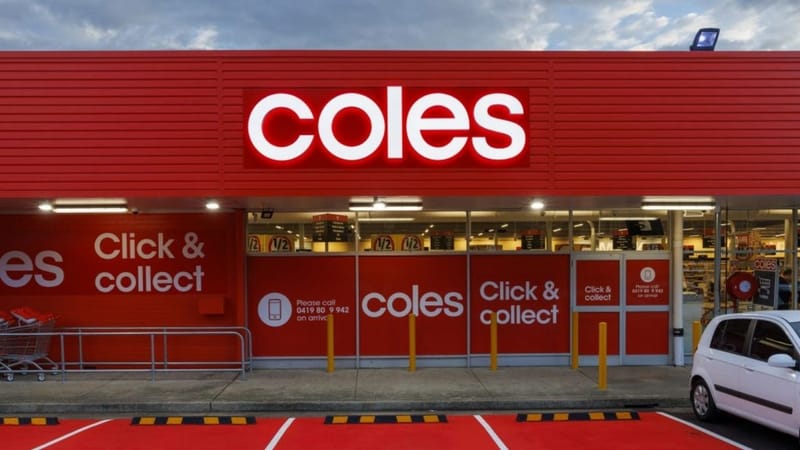
Coles’ latest results highlight the cost of historical employee underpayments as the retailer plans 45 new stores and 150 upgrades.
Coles Group is preparing for one of its biggest expansion phases in years, but its latest financial results also highlight a costly lesson for employers on employee pay and wage compliance.
The supermarket giant plans to open 45 new stores and upgrade around 150 existing locations, alongside investments in technology and a new automated distribution centre. At the same time, its FY26 results show the financial impact of a long-running employee underpayment case, with $235 million recorded as a significant cost linked to a Federal Court judgment.
Coles reported sales revenue of $45.72 billion for the year ended 28 June 2026, up 2.8%. Statutory net profit rose just 1% to $1.09 billion, while underlying profit reached $1.26 billion after excluding significant items.
A costly lesson on salaried employees
The $235 million provision relates to Coles’ employee underpayment case, which centred on the pay and working hours of salaried supermarket employees.
The Fair Work Ombudsman had alleged that thousands of salaried Coles employees were underpaid because their annual salaries did not fully cover the overtime and other entitlements they were owed. Earlier proceedings involved thousands of employees and years of historical pay records.
The Federal Court judgment has made the issue particularly significant for employers that rely on annual salary arrangements.
For HR teams, the message is straightforward: a fixed salary does not automatically mean an employee has given up their entitlement to overtime or other award payments.
Why working hours matter
The case highlights a problem that can be difficult for large employers to spot: knowing how many hours salaried employees actually work.
A manager who regularly starts early, finishes late or works weekends may not formally record every additional hour. Over several years, these hours can create a significant gap between what an employee was paid and what they were legally entitled to receive.
That means HR teams need more than employment contracts to assess whether employees are being paid correctly. They also need reliable records of working hours and regular checks against applicable awards.
The employee impact
For workers, underpayment is not only about recovering money.
Employees who discover that they have been underpaid over several years may also question whether their working hours and other entitlements are being managed fairly.
This can affect trust in managers and the wider organisation, particularly when employees have continued to work additional hours believing their salary arrangement was compliant.
Clear records and accessible channels for employees to raise pay concerns can therefore play an important role in rebuilding trust and identifying problems earlier.
Coles enters a new phase of expansion
The timing is significant for Coles.
The retailer plans to increase capital expenditure to $1.55 billion in FY27, including investment in new stores, technology and a new automated distribution centre. It expects to open 45 new stores and upgrade around 150 existing locations.
That expansion will also create workforce and operational demands, making effective wage and workforce management increasingly important.
As Coles grows its store network and invests in automation, HR teams will need to ensure that new and existing workforce arrangements keep pace with changes in roles, workloads and working patterns.
What HR leaders can take from the case
Coles’ latest results show that wage compliance problems can become a significant financial and employee relations issue when they remain unresolved for years.
For employers, the focus should be on identifying potential underpayments early rather than relying on employees or regulators to uncover them.
Regular salary reviews, accurate working-hour records and checks against modern award requirements can help identify gaps before they become large liabilities.
For employees, greater transparency around salaries, working hours and entitlements can provide a clearer understanding of whether they are being paid correctly.
As Coles moves ahead with its expansion plans, its $235 million remediation cost serves as a reminder that workforce growth needs to be matched by strong systems for managing employee pay and working hours.
Author
Loading...