






Wellbeing
Singapore’s Mental Health Index Plummets: What’s happening beneath the surface?
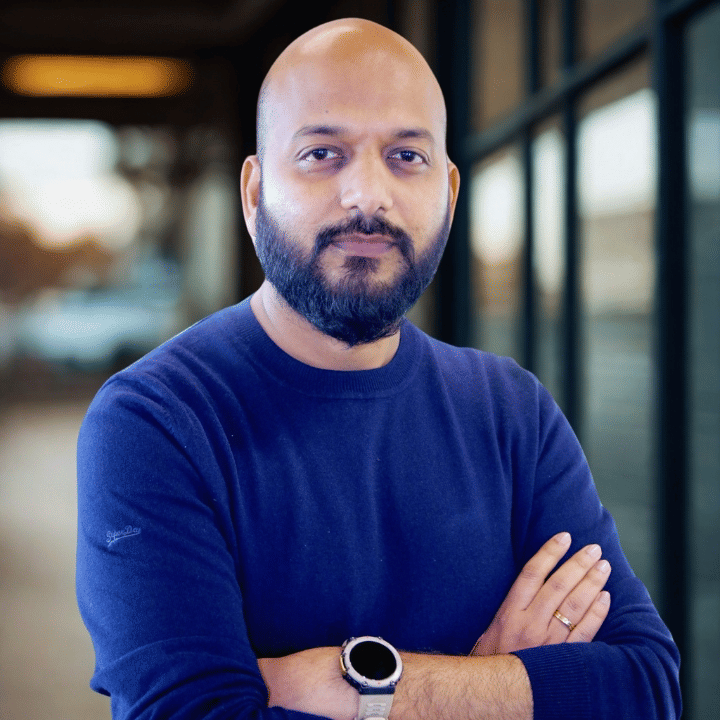




The latest MHI for Singapore sits at 63.5. On the surface, this may appear as an ordinary number, but it is a far cry from the pre-pandemic high 70s, and alarmingly below the “optimal” range of 80 to 100.
Singapore’s Mental Health Index has fallen to a worrying 63.5, painting a stark picture of a nation under strain. This latest score from TELUS Health’s Mental Health Index (MHI) is not just a number—it marks a dramatic departure from pre-pandemic highs in the 70s and sits well below the optimal range of 80 to 100. Singapore, often admired for its resilience and economic prowess, now faces a silent crisis—one that cannot be measured by GDP or stock indices alone. The implications are profound: productivity, workplace culture, and the very fabric of society are at risk if this trend continues unchecked.
A new barometer for mental health
The Mental Health Index, spearheaded by TELUS Health across key global markets, is designed to be as empirical as economic indicators such as GDP or CPI. “We focus on the working population,” explains Jamie MacLennan, Senior Vice President and Managing Director APAC, TELUS Health. “We take a cross-section of the country, independent of our clients, and generate a score out of 100—higher scores mean better mental health, lower scores indicate higher risk.”
The latest MHI for Singapore sits at 63.5. On the surface, this may appear as an ordinary number, but it is a far cry from the pre-pandemic high 70s, and alarmingly below the “optimal” range of 80 to 100. “That in no way is a good score,” MacLennan emphasises. “It tells us that society is under significant mental health strain, with a large component in outright distress.”
The lingering shadow of Covid-19
While Singapore has long since moved out of lockdowns and into a post-pandemic landscape, the mental scars remain. More than a third of Singapore’s workforce now falls into the high-risk category—a doubling from pre-COVID times, the report said. “People have not recovered from the Covid period,” MacLennan says, noting that this trend is replicated globally. “Physical health recovers quickly, but mental health takes far longer. Covid rewired our brains; our fight or flight systems, designed for short-term threats, were exposed to two years of relentless stress.”
This rewiring has left people with a diminished ability to absorb new pressures. “Pre-Covid, new stresses were manageable. Now, with macroeconomic uncertainties, geopolitical tensions, and persistent workplace demands, our capacity to cope is fundamentally reduced,” MacLennan explains. This, he warns, is the new reality for societies worldwide.
The youngest workers are hurting most
A striking finding from the report is the acute vulnerability of younger workers. Those in the 20-29 and 30-39 age brackets consistently score lowest on the mental health index. “They were already struggling with loneliness and isolation before Covid. The pandemic made it worse, and now many are unable to re-engage socially as before,” says MacLennan.
These are not just entry-level employees—those in their late 30s are tomorrow’s managers and leaders. “If this group is not in good shape, companies and society need to take notice,” the leader warns. The future of organisations depends on the resilience of these cohorts.
Not Just a Pandemic Problem: The weight of modern work
While the pandemic was a catalyst, it is not the sole culprit. The report points to a confluence of factors exacerbating mental health risks: economic uncertainty, technological disruption, the rise of the gig economy, and the ongoing evolution of work patterns, including hybrid arrangements. “It’s not one or two things. It’s cumulative—uncertainty about work, financial pressures, workload, and a lack of control. All these elements add up, and people begin to feel overwhelmed,” according to MacLennan.
The relentless pace of change and the sense of being unable to keep up have led to widespread burnout. “Companies often try to tackle a single issue, but mental health is not that simple. One-size-fits-all programmes just don’t work.”
Financial Well-being: The silent stressor
The latest MHI report also delves into financial well-being. “It’s much broader than just pay,” says MacLennan. “Financial literacy, the ability to manage budgets, and feeling in control of one’s finances all have a demonstrable impact on mental health.”
A lack of tailored financial education means that employees at different life stages—whether starting out, buying a home, raising a family, or planning for retirement—face stress that could be alleviated through targeted support. “It costs companies very little to educate staff about financial matters, but the impact on confidence and well-being can be substantial.”
The Productivity Trap: Presenteeism vs. absenteeism
The repercussions of poor mental health extend beyond personal suffering—they strike at the heart of organisational performance. McLennan’s message is clear: “Most economies report a drop in productivity, but what they’re missing is the hidden cost of presenteeism. Companies measure absenteeism, but presenteeism—where employees are at work but not fully engaged—has four times the impact.”
The numbers speak volumes. In companies where employees rate employer mental health support as excellent, 37 days of productivity are lost annually. Where it is rated poor, that number soars to 79 days. “That’s a 20% difference in productivity, for no change in salary, simply by genuinely supporting mental health.”
No One Is Immune—But some are hit harder
While younger workers are most at risk, no age group is immune. Mid-career professionals, especially those in their 40s and 50s, face unique pressures: adapting to new technologies, managing job security concerns, and supporting families and ageing parents. “Everyone has stress, but experience helps older cohorts manage better. Still, a third of Gen Xers have a score below 50—distress is widespread,” Jamie notes.
Gender, too, plays a role. Historically, women have struggled more with mental health issues than men, a trend seen globally and in Singapore. The latest report, however, showed parity between men and women—a first in two and a half years of data. MacLennan is cautious, citing a single data point, but urges companies to recognise the need for gender-sensitive programmes.
Breaking the Stigma: The unspoken barrier
Perhaps the most sobering statistic is that 72% of Singaporean workers believe that disclosing a mental health issue will negatively impact their career. “If people believe that, they won’t seek help. Stigma is deeply ingrained, and unless we tackle that, all the best programmes in the world will fail,” explains MacLennan.
Despite commendable efforts by the Singapore government and many companies, the message has not fully landed. “If 72% of people feel their career will suffer, we’re not making enough progress.”
A call to action for companies and leaders
So what should organisations do? The answer is clear but challenging: commit to genuine, holistic well-being programmes that are both digital and in-person, tailored to employees' varied life circumstances. “Train your managers, not just your executives. It’s the frontline managers who interact with staff daily, and they need to be equipped to have conversations about well-being,” advises MacLennan.
He shares a personal anecdote from his time at Shell, recalling how he was technically prepared for management but completely untrained in supporting emotional well-being. “50% of managers are uncomfortable with these issues. We’re not asking them to be counsellors, but to know how to have a conversation and point staff to help.”
Breaking down stigma, improving communication, and truly following through on programmes are essential. He cautions against “tick-box” solutions: fruit boxes, step challenges, or Pilates classes are nice, but unless they are part of a meaningful, holistic approach, they will not move the needle.
A strategic imperative, not a nice-to-have
Above all, MacLennan insists that mental health support is not just about altruism—it is a strategic and commercial imperative. “If you want higher engagement and productivity, this is in your self-interest as a company. Done well, it benefits both the organisation and society.”
The economic and social costs of ignoring mental health are too great to bear. The opportunity is there for forward-thinking leaders to act—not only to preserve productivity, but to build a healthier, more resilient workforce for the future.
Topics
Author
Loading...