
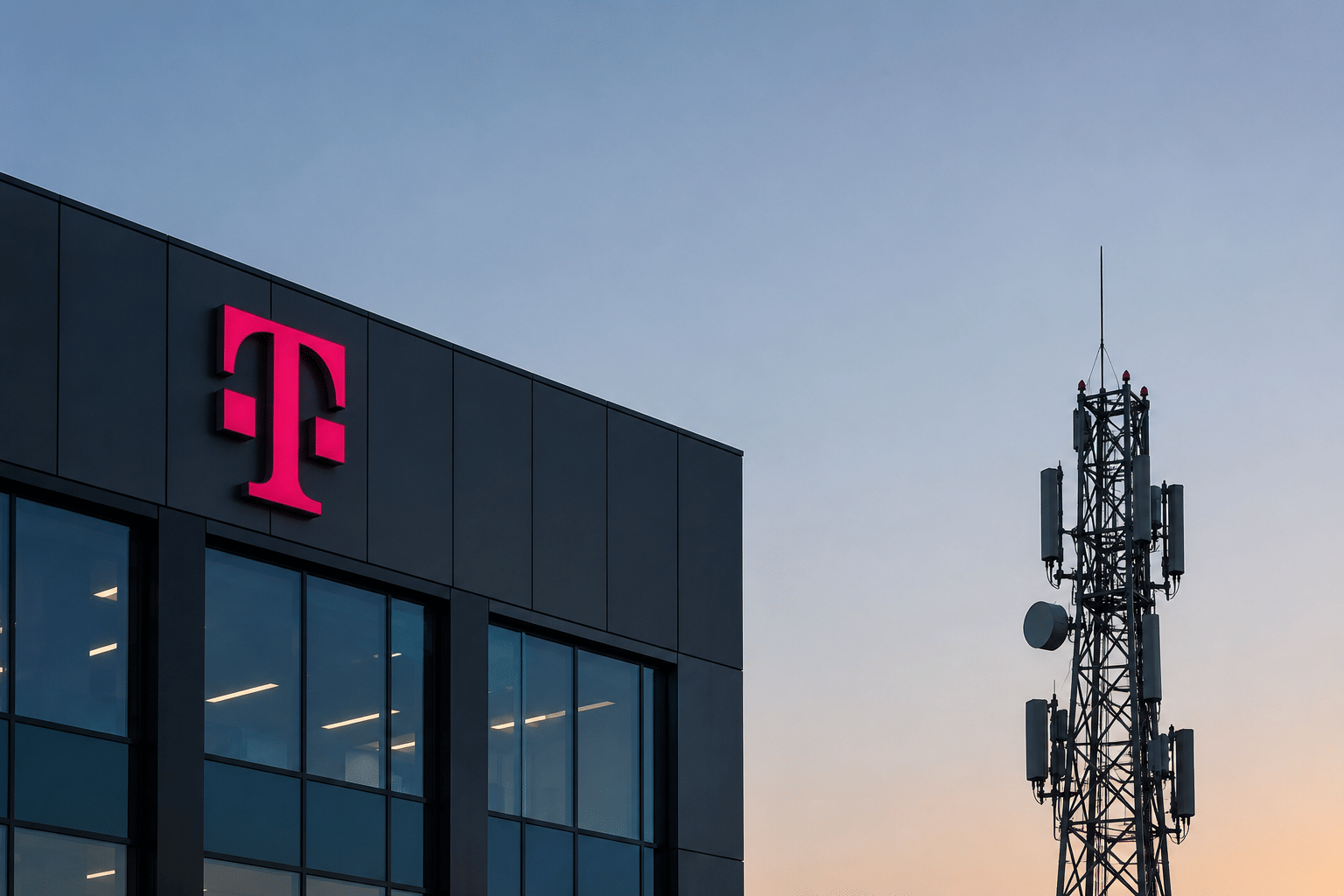
T-Mobile has launched a new Global Capability Centre (GCC) in Hyderabad and plans to hire around 1,000 employees by 2027, marking a significant expansion of its technology and digital operations in India.
According to Reuters, the US telecommunications company inaugurated the facility on June 4, positioning the centre as a strategic hub for engineering, product development, cybersecurity and data-focused functions.
The move comes as T-Mobile continues to reshape parts of its workforce and operations while investing in technology capabilities that support its long-term business priorities.
Hyderabad facility to support core technology functions
The new centre spans approximately 250,000 square feet in Hyderabad and will serve as a technology and innovation hub for the company.
According to Reuters, teams based at the facility will work across several business-critical functions, including:
• Software engineering
• DevOps and platform operations
• Product development
• Data analytics
• Cybersecurity
In comments reported ahead of the launch, Chandra Gupta, Vice President of IT Operations at TMUS Global Solutions, said the Hyderabad centre would play an important role in strengthening the company's engineering and digital capabilities.
He said the facility would help teams develop solutions that support both customers and broader business priorities.
GCCs continue to evolve beyond traditional outsourcing models
The launch reflects the growing role of India-based Global Capability Centres within multinational organisations.
According to information cited by Reuters from the Indian government, GCCs have evolved beyond traditional back-office or outsourcing functions and increasingly operate as integrated business units supporting global operations.
Many multinational companies now use Indian GCCs to drive innovation, technology development, analytics, governance and specialised business services.
T-Mobile's decision to establish a large technology-focused centre in Hyderabad aligns with this broader trend.
Expansion comes amid wider workforce changes
The Hyderabad hiring plans arrive during a period of workforce restructuring within T-Mobile's broader operations.
Industry reports indicate that the company has carried out job reductions across parts of its US workforce since late 2025. Some of those changes have been linked to organisational restructuring following T-Mobile's acquisition of UScellular, which created overlapping corporate roles in certain functions.
At the end of 2024, T-Mobile reported a workforce of approximately 70,000 employees, though more recent company-wide employee figures have not been publicly disclosed.
The company stated earlier this year that it had not paused hiring and that structural changes were intended to support future growth.
India strengthens position as a technology talent hub
Hyderabad has emerged as one of India's largest destinations for Global Capability Centres, attracting investments from multinational companies across technology, financial services, telecommunications and healthcare sectors.
For T-Mobile, the city offers access to a large pool of engineering and digital talent as demand grows for expertise in cloud technologies, cybersecurity, software development and data-driven business operations.
Key facts
• T-Mobile launched its Hyderabad Global Capability Centre on June 4.
• The facility covers 250,000 square feet.
• The company plans to hire around 1,000 employees by 2027.
• Teams will support software engineering, DevOps, product development, data analytics and cybersecurity functions.
• The centre is expected to strengthen T-Mobile's global engineering and digital capabilities.
As multinational companies continue expanding technology and innovation functions beyond their home markets, Global Capability Centres are becoming increasingly important to enterprise growth strategies.
T-Mobile's Hyderabad investment highlights how India remains central to those plans, particularly as companies seek specialised digital talent and scale technology capabilities for the next phase of business transformation.
The Hyderabad hiring plans arrive during a period of workforce restructuring within T-Mobile's broader operations.
Industry reports indicate that the company has carried out job reductions across parts of its US workforce since late 2025. Some of those changes have been linked to organisational restructuring following T-Mobile's acquisition of UScellular, which created overlapping corporate roles in certain functions.
At the end of 2024, T-Mobile reported a workforce of approximately 70,000 employees, though more recent company-wide employee figures have not been publicly disclosed.
The company stated earlier this year that it had not paused hiring and that structural changes were intended to support future growth.
India strengthens position as a technology talent hub
Hyderabad has emerged as one of India's largest destinations for Global Capability Centres, attracting investments from multinational companies across technology, financial services, telecommunications and healthcare sectors.
For T-Mobile, the city offers access to a large pool of engineering and digital talent as demand grows for expertise in cloud technologies, cybersecurity, software development and data-driven business operations.
Key facts
• T-Mobile launched its Hyderabad Global Capability Centre on June 4.
• The facility covers 250,000 square feet.
• The company plans to hire around 1,000 employees by 2027.
• Teams will support software engineering, DevOps, product development, data analytics and cybersecurity functions.
• The centre is expected to strengthen T-Mobile's global engineering and digital capabilities.
As multinational companies continue expanding technology and innovation functions beyond their home markets, Global Capability Centres are becoming increasingly important to enterprise growth strategies.
T-Mobile's Hyderabad investment highlights how India remains central to those plans, particularly as companies seek specialised digital talent and scale technology capabilities for the next phase of business transformation.