







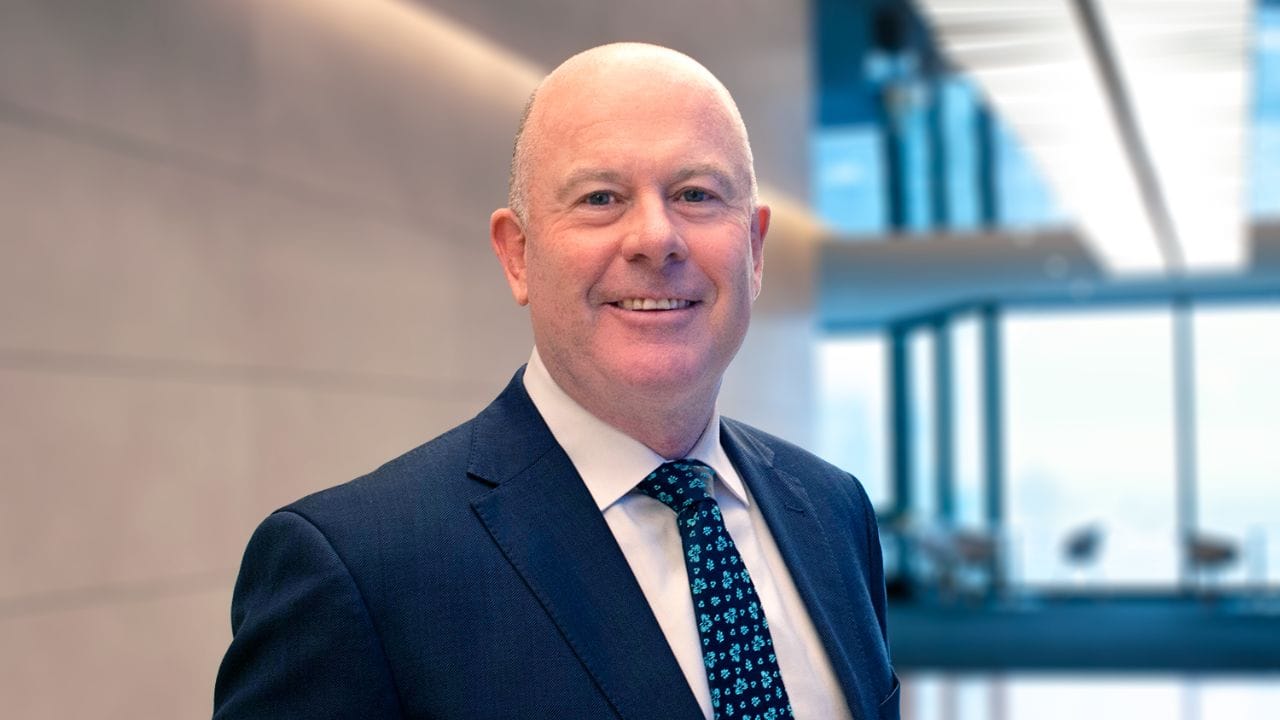
KPMG Australia chief executive Andrew Yates has resigned with immediate effect after the consultancy giant admitted it failed to properly handle whistleblower allegations involving confidential client information.
The shock exit comes as regulators launch investigations and fresh concerns emerge over the handling of sensitive documents inside the firm, as reported by various publications.
Yates, who became CEO in 2021, said he was taking responsibility for the failures.
“I have been committed to a speak-up culture in our firm,” he said. “It is clear that in this case we have let ourselves down and I take accountability.”
Internal failures
KPMG confirmed that a whistleblower had raised concerns about client documents being shared internally without proper authorisation.
The firm admitted its initial investigation failed to uncover the issues.
“KPMG Australia confirms its treatment of a whistleblower and investigation into their allegations fell short of the firm’s expectations, those of the whistleblower and the broader community,” the company said.
“The initial internal investigation, that did not substantiate the allegations raised by the whistleblower, was in hindsight not conducted with the necessary rigour required.”
The head of KPMG’s audit and assurance division, Julian McPherson, will also step down after transitioning his client responsibilities.
New revelations
The controversy widened after KPMG revealed a separate incident involving internal documents containing client information being shared inappropriately.
The matter has now been reported to clients, regulators, professional bodies and a parliamentary committee.
An earlier internal review, along with findings from an external law firm, had failed to substantiate the whistleblower’s claims.
However, after further complaints were raised to KPMG’s board, law firm Allens was brought in to conduct another investigation. That probe remains ongoing.
Public apology
KPMG chairman Martin Sheppard issued a public apology to the whistleblower and affected clients.
“We apologise unreservedly to the whistleblower,” he said.
“We commit to learning from this process to ensure we create an environment where it is safe and easy to surface concerns that will be acted upon.”
“KPMG apologises to the clients whose information was not handled with the care and respect they expect from us. We also apologise to our people, as these matters do not reflect on the contribution they make to KPMG and our clients.”
Sheppard said the company would appoint an ethics consultant to review its internal culture and strengthen safeguards around client confidentiality.
“We are reinforcing and strengthening the controls that protect client confidentiality, and we will set out for our clients the specific steps we are taking to keep their information protected,” he said.
“For each of our audit clients, we will confirm that any conduct matters do not impact the quality of their audits.”
Stan Stavros has been appointed interim chief executive while the company searches for a permanent replacement.
ASIC probe
Australia’s corporate regulator ASIC has launched a preliminary investigation into several registered company auditors linked to the matter.
ASIC deputy chair Sarah Court told a parliamentary committee the investigation began after meetings and written disclosures from KPMG.
“We've identified three of the four people involved are registered company auditors … and therefore come under ASIC's regulatory oversight,” she said.
“We have been informed by KPMG that they intend to claim legal professional privilege over much of their investigation material.”
The parliamentary hearing also referenced a public letter from property giant Lendlease, which alleged KPMG audit partners had accessed confidential board papers.
ASIC chair Joe Longo described the allegations as a serious breach of the normal relationship between an auditor and its client.
The scandal has intensified scrutiny on governance, whistleblower protections and client confidentiality practices inside one of Australia’s biggest consulting firms.