







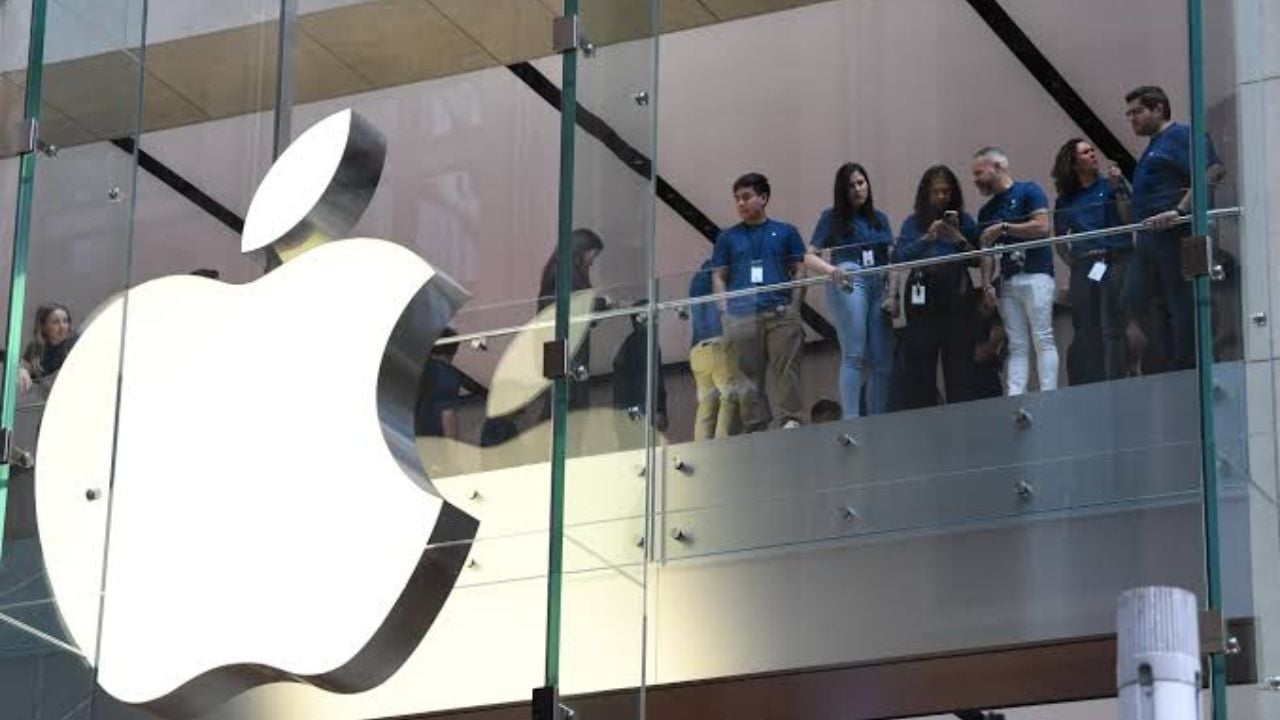
Apple has been ordered to pay $18,000 to a former employee at its Canberra store after an Australian tribunal found that workplace arrangements around toilet access indirectly discriminated against him because of his disability, ABC reported.
The employee, who worked at Apple’s Canberra Centre store from late 2019 to early 2024, had a bowel condition requiring frequent and sudden access to a bathroom. The case highlights the workplace implications of providing reasonable and accessible facilities for employees with disability.
Workplace access concerns
Until renovations were completed in 2024, Apple’s accessible bathroom at the store was also used for storage, as a change room and to access a cleaner’s closet.
The arrangement meant the employee often had to wait to use the standard staff toilets. When he used the accessible bathroom, equipment stored inside made it "very tight and unsafe".
The employee sought $20,000 for past economic loss and $50,000 in general compensation.
Apple argued that equipment had been stored in the accessible bathroom because of limited space elsewhere in the store. The company also said managers had allowed the employee flexibility to take breaks when required and use public toilets at the shopping centre.
Tribunal finds indirect discrimination
Senior tribunal member Robert Orr found that Apple had not directly discriminated against the employee. However, he found the workplace arrangements had disadvantaged him because of his disability, placing the onus on Apple to demonstrate that the arrangements were reasonable.
"This was not a case where the discrimination made out was intentional, calculated or cruel," Orr said.
"Rather, this was a case of indirect discrimination where Apple put in place quickly those measures it could to address the applicant's bathroom complaints, and in time addressed all his complaints, and generally sought to assist the applicant to manage his condition.
"In my view there was a condition or requirement that the applicant use the standard bathroom.
"This had the effect of disadvantaged the man because of his disability which required him to go to the toilet often and suddenly.
"The fact that notwithstanding these factors he could manage to use the accessible toilet, or another toilet, does not defeat the claim."
Compensation limited by evidence
The tribunal did not award the larger amount sought by the employee, finding there was no medical evidence to support his claim of psychological injury and insufficient evidence for his claimed loss of earnings.
"These features mean that a significant amount of compensation cannot be ordered," Orr said.
The tribunal also dismissed the employee’s claims relating to rejected requests to work from home, finding no basis that the decisions were connected to his disability.
Apple was ordered to pay $18,000 for the indirect discrimination complaint.