







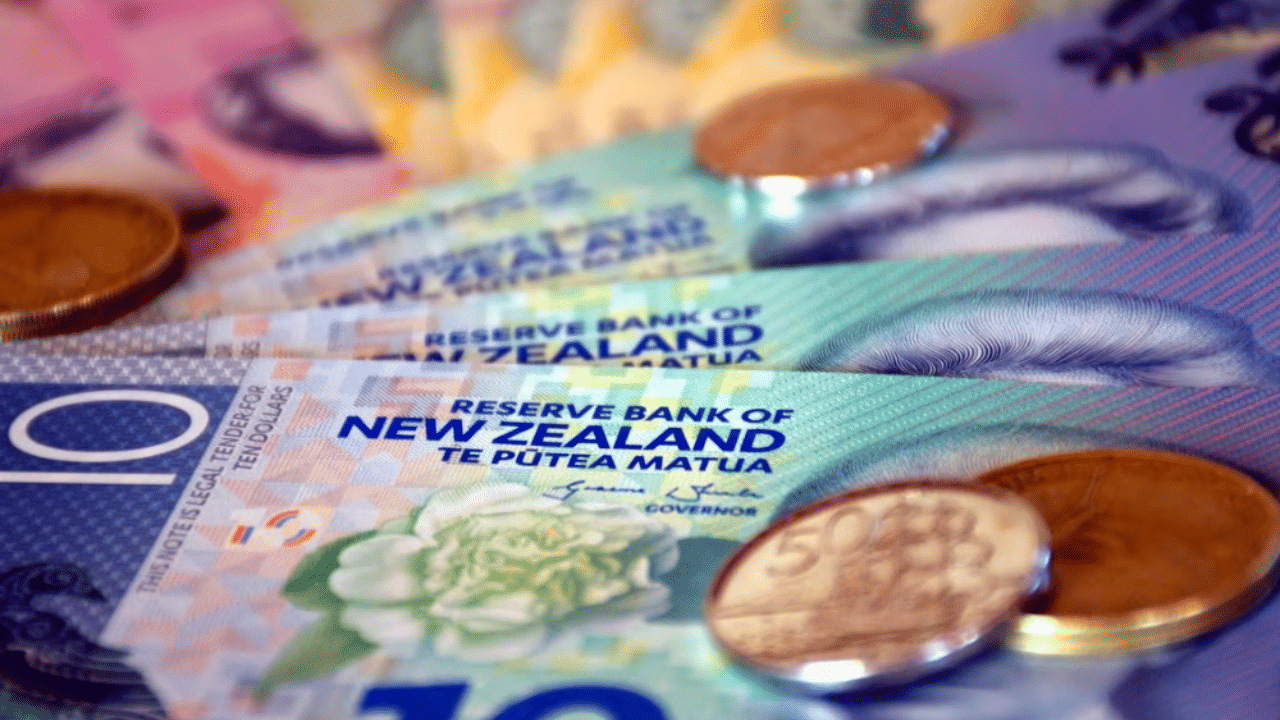
Minimum wage workers in New Zealand will receive a pay increase from 1 April next year, with the adult minimum wage set to rise by 2%, from $23.50 to $23.95 per hour. The move is expected to benefit around 122,500 workers, according to the government.
Workplace Relations and Safety Minister Brooke van Velden said the decision was intended to strike a balance between easing cost-of-living pressures for workers while avoiding further strain on businesses navigating a soft economic environment. She noted that inflation is projected to stabilise around 2% from mid-2026, making the increase broadly consistent with future price expectations.
The increase follows advice from the Ministry of Business, Innovation and Employment (MBIE), which recommended a 2% uplift as the most effective way to protect the real incomes of low-paid workers while limiting the risk of job losses. MBIE highlighted that groups most affected by the minimum wage—including young workers, women, Māori employees and part-time staff—are heavily represented in sectors such as hospitality, tourism, retail, agriculture and cleaning services.
Starting-out and training wages will also rise from $18.80 to $19.16 per hour, maintaining their position at 80% of the adult minimum wage.
However, the move has attracted criticism from opposition parties. Labour and the Greens described the increase as inadequate, arguing it falls short of current cost-of-living pressures and offers little relief for households facing rising food, housing and energy costs. Labour said it would revisit proposals to link future minimum wage increases to inflation or wage growth, whichever is higher.
Business groups, meanwhile, broadly welcomed the decision. BusinessNZ said the increase reflects economic realities, noting weak hiring momentum and unemployment at its highest level since 2016.
Economists have also pointed out that while the increase is modest, minimum wage levels remain significantly higher than they would have been had they simply tracked inflation over the past decade.