







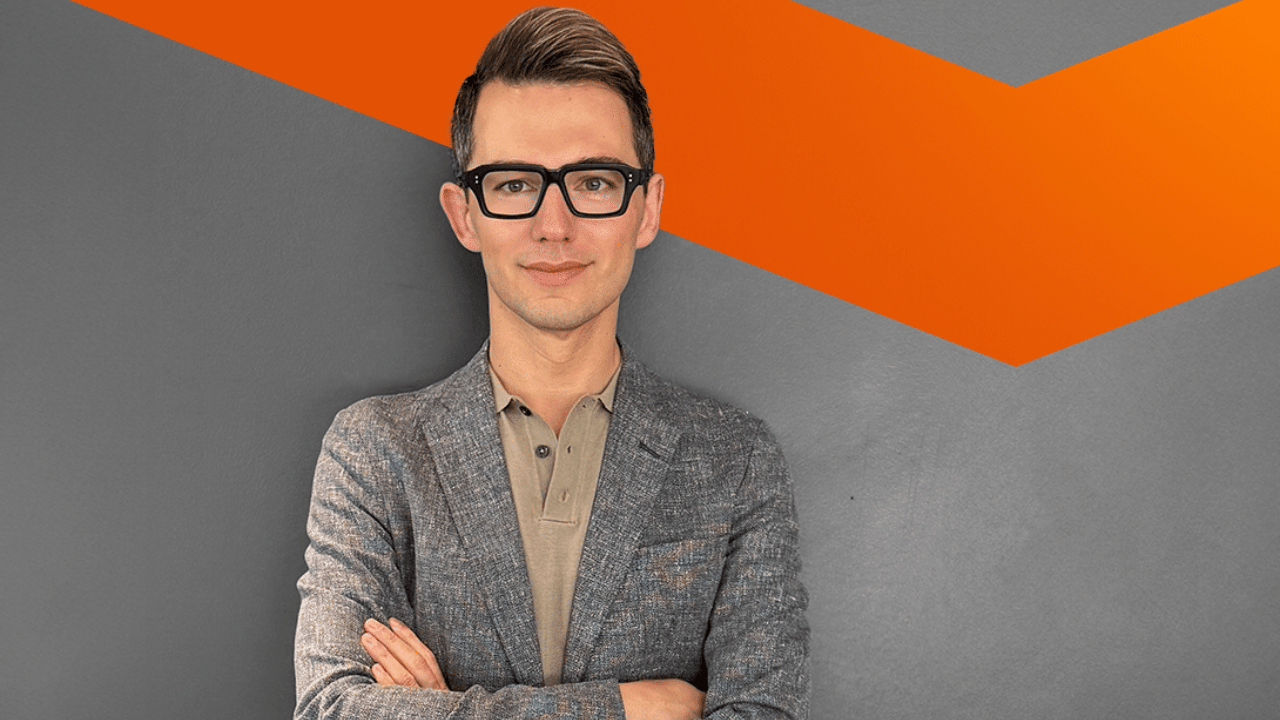
SugarCRM has just appointed Maksim Ovsyannikov as its new Chief Product Officer, handing him the job of setting the global product strategy as artificial intelligence fundamentally reshapes the entire customer relationship management (CRM) world.
Ovsyannikov brings more than two decades of experience in enterprise software, having held senior roles at Salesforce, Zendesk, ADP, Saba and Gainsight. At each of these organisations, he has worked on building products that blend usability with scale, something SugarCRM is betting on as it pushes deeper into AI-led sales automation.
The company has been vocal about the limitations of traditional CRM systems, which have often served more as repositories for sales activity than as tools that help teams sell smarter. With Ovsyannikov’s appointment, SugarCRM is sharpening its focus on what it calls “precision selling”, using AI to provide frontline sales teams with insights that can improve revenue predictability and customer engagement.
For Australia and New Zealand, where SugarCRM already works with businesses such as Catalyst Performance Agronomy, Eden Exchange, Jayco and Speedpanel, the timing is significant. Across the region, sales leaders are struggling with softening demand in certain sectors, which means getting productivity gains out of their teams has become more critical than ever. Tools that can flag risks earlier or help sales teams prioritise the right opportunities are likely to find a receptive audience.
Commenting on the appointment, David Roberts, CEO of SugarCRM, said: “Maksim’s experience leading product teams at some of the biggest names in enterprise software will accelerate our innovation agenda. We are committed to giving businesses the clarity, consistency and confidence they need to grow revenues.”
For organisations in ANZ, the shift reflects a broader trend: CRM systems are no longer judged solely on their ability to record activity, but on how effectively they enable teams to turn data into outcomes.