







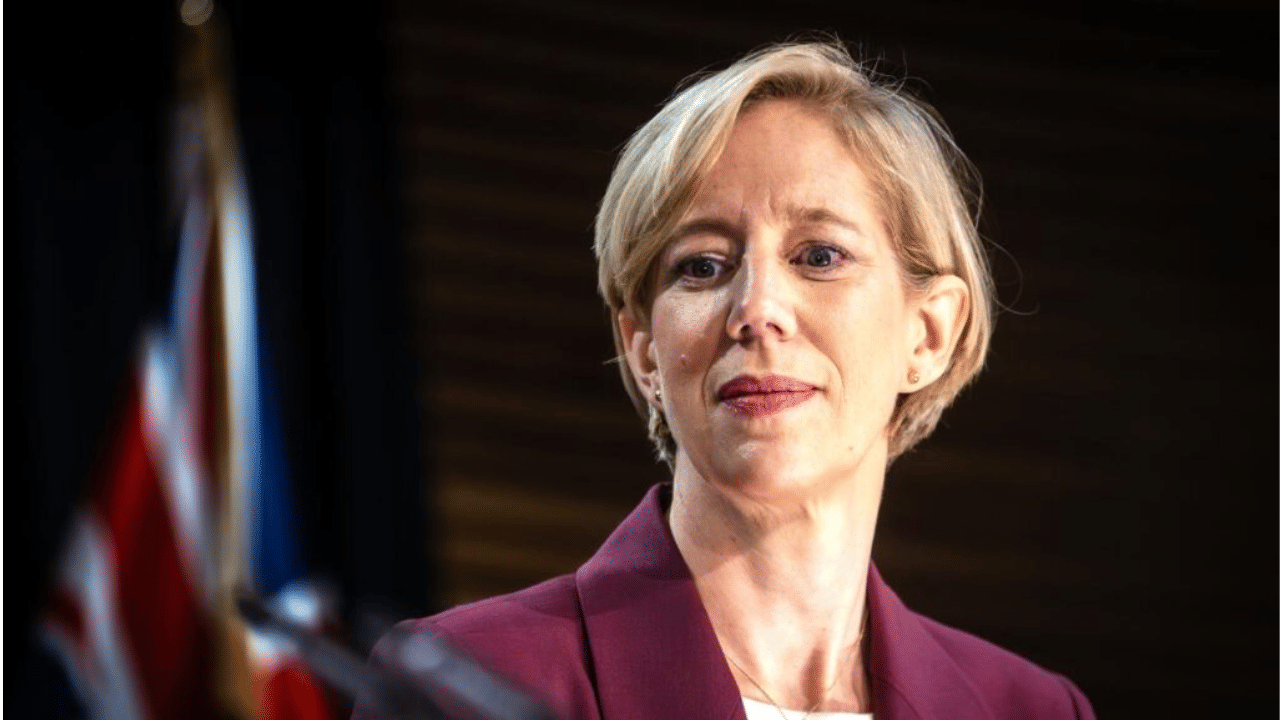
In a landmark decision, New Zealand has selected Anna Breman, currently First Deputy Governor of Sweden’s Riksbank, as the next Governor of the Reserve Bank of New Zealand (RBNZ). She is slated to assume the post on December 1, breaking new ground as both the first woman and the first foreign national to hold the position.
Her appointment follows a bruising period for the RBNZ. Former governor Adrian Orr departed amid tensions with the government over policy direction, especially around interest rates, and was succeeded temporarily by Christian Hawkesby, who will also step down ahead of Breman’s arrival. The shakeup reflects escalating scrutiny of how the central bank has handled recent economic pressures.
Breman emerges as a steadying force. Finance Minister Nicola Willis described her as bringing “an impressive blend of technical skills and organisational leadership.” The RBNZ board lauded her deep experience across monetary policy, stability frameworks, and payment systems, honed through years on Sweden’s executive board. She enters the role after a global search that scoured more than 300 candidates.
Her early statements indicate respect for the institution and its people. “Staff are dedicated, they are loyal,” she told reporters, pointing to the RBNZ’s global reputation as a pioneer in inflation targeting. Breman will begin with the task of restoring public confidence, especially as the bank grapples with fiscal constraints. Recent government cuts require a leaner operation that may lead to staff reductions of up to 20%.
Markets will watch closely: the country’s next Monetary Policy Committee meeting is in February, and investors are already pricing potential rate cuts. Breman’s ability to assert independence while navigating political pressure will be under the microscope.
Beyond skill, her appointment carries symbolic weight. In a nation proud of its early embrace of women’s suffrage, naming its first female central bank head is a strong signal. As Willis remarked, “It makes a difference when young women and girls can see that there is no office that cannot be occupied by a woman.”
Her challenge is clear: stabilise the bank, rebuild credibility, and chart a path that places New Zealand ahead of the curve rather than reacting to it.