







The Federal Government will introduce a new set of Australian Standards for AI, including a legislated framework for large-scale AI data centres, as it seeks to strengthen the country's approach to artificial intelligence, as reported on the Prime Minister of Australia government website.
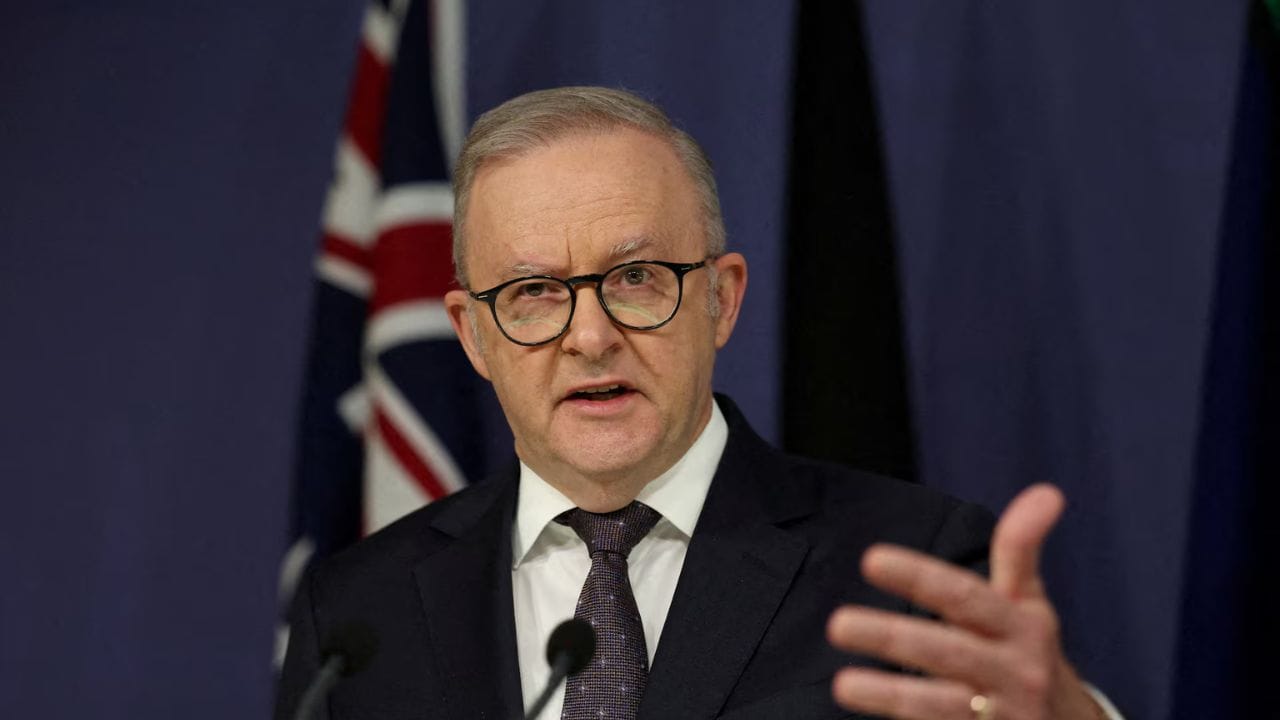
Prime Minister Anthony Albanese announced the measures at the University of Sydney on 15 July, saying the framework would build on the Data Centre Expectations unveiled in March.
The initiative also includes the immediate establishment of an Office of AI within the Department of the Prime Minister and Cabinet, with legislation expected to be introduced next year.
Standards take shape
“This world-leading framework is about Australia choosing to shape the future rather than letting the future of AI shape us,” Prime Minister said.
“This framework is about protecting our national interests and ensuring certainty for growth, jobs and investment. If we set our national standards high, then we can make AI stand for Australia’s interests,” he further added.
The framework will be presented to the National Cabinet in August and introduces new obligations for large-scale data centres, including requirements to underwrite their own power supply, fund their grid connections and improve water efficiency.
Data centres face new rules
The Government said the standards will require large data centres to become net energy generators by investing in renewable energy generation and firming capacity while reducing water consumption.
The framework also includes measures to protect Australian creative and news content by preventing AI developers from training models on copyrighted material without the rights holder's consent.
Industry and Innovation Minister Tim Ayres said, “A Future Made in Australia is all about shaping Australia’s industrial and technological future in the national interest and in the interest of every Australian.”
“Australian Standards for AI strengthen Australia’s framework to make sure AI investments are on Australia’s terms and strengthen our resilience, security and economy,” he added.
Assistant Minister for Science, Technology and the Digital Economy Andrew Charlton noted,, “Establishing a clear and enforceable social licence for AI is fundamental towards achieving this objective.”
Industry seeks trust
While industry welcomed the direction of the reforms, technology leaders argued that regulation alone will not determine how AI is adopted inside organisations.
Paul Butterworth, Managing Director at IFS said, “While AI might have its own appreciation day tomorrow, it still has a long way to go in gaining the trust of Australian workers,” Butterworth said.
“Albanese has set a direction, but it’s difficult to see how today’s announcement will meaningfully change the way businesses use AI or how workers feel about it. The real verdict will come from the field, where people will judge the technology on whether it makes their jobs safer, smarter and more secure,” he pointed out.
Organisations already deploying AI at scale must invest in employees alongside technology.
“Some of Australia’s most mission-critical organisations are moving quickly to demonstrate ROI to investors and pass savings on to consumers, but savings – even at this scale – will mean little if businesses fail to bring their workers with them,” he said.
“The organisations that get this right will treat workforce investment as part of their AI investment, not an optional extra. If the benefits stop at the bottom line, earning a social licence for AI will remain an insurmountable battle,” he mentioned.
HR implications
The announcement comes as Australian organisations continue to expand AI use while navigating governance, workforce capability and employee trust.
For employers, the proposed standards add another layer to AI implementation, placing greater emphasis on governance, workforce readiness and responsible adoption alongside investment in new technologies.