







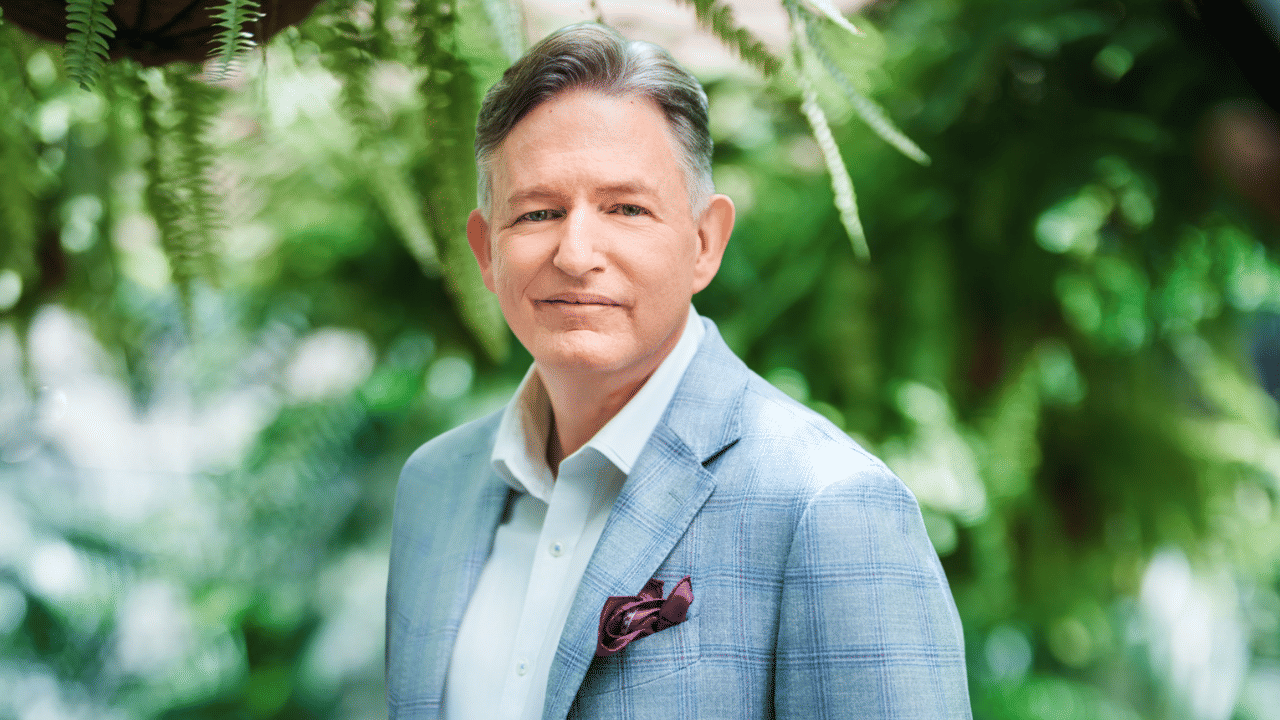
Few HR leaders have witnessed, and led, transformation across as many defining moments as Andrew Newmark. From beginning his career in hotel operations to steering people strategy through one of the hospitality industry's largest acquisitions and an unprecedented global pandemic, his leadership journey mirrors the evolution of HR itself.
In this exclusive conversation with People Matters, the Marriott International Asia Pacific excluding China’s CHRO, Newmark discusses the changing expectations of today's workforce, the growing role of AI in HR, the importance of building adaptive cultures, and the leadership principles that have helped Marriott sustain a people-first culture for nearly a century.
Edited excerpts:
From the front line to the CHRO's office
There have been many defining moments throughout my career, but three stand out.
The first takes me back to where it all began. I started on the front line as a night auditor with no hotel or operations experience, a role that gave me a deep understanding of the business. Working the night shift exposed me to a wide range of challenges and opportunities across hotel operations. Although I didn't realise it then, that experience later gave me credibility as an HR leader because I understood the realities of frontline work and could genuinely relate to the associates I supported.
Even today, whenever we're designing an HR programme or initiative, I always ask myself: How will this impact the associates serving our guests every day? That frontline perspective continues to shape my decisions.
The second defining moment was Marriott's acquisition of Starwood 10 years ago, the largest acquisition the hospitality industry has seen. It was a transformational period, particularly in Asia Pacific, where Starwood actually had a larger presence than Marriott. In many ways, it felt like a reverse integration.
That experience reinforced the importance of communication, thoughtful change management and leadership. Culture isn't built overnight. It comes from leaders consistently demonstrating the values they talk about and making people feel genuinely welcomed. It was a powerful reminder that successful transformation is driven as much by people as it is by strategy.
The third was the pandemic. It was an extraordinary period for everyone, and hospitality was one of the industries most deeply affected. There was no HR playbook. We had to make decisions day by day, focusing on what we could do to support our people.
One example I'm particularly proud of was how our talent acquisition team shifted from recruiting to helping associates find opportunities outside Marriott when our business couldn't support them. It reflected our commitment to caring for people, even in the most challenging circumstances.
The pandemic also forced us to rethink how we attract talent, redesign roles and adapt to new ways of working. More than anything, it reinforced a lesson that continues to guide me today: adaptability is essential. The world doesn't stand still, and neither can we. As HR leaders, we have to keep evolving while staying true to our values.
The key ingredients behind Marriott's people-first philosophy for nearly 100 years
It's incredible to think that Marriott is approaching its 100th anniversary. Reaching that milestone reflects a company that has continually evolved while staying true to what defines it.
For me, there are three reasons we've been able to attract, develop and retain talent over the years.
The first is culture. It has been the foundation of Marriott since our founders opened a small root beer stand in Washington, D.C., nearly a century ago. While the company has grown and changed in remarkable ways, our values and our culture of care have remained constant. We want people to join Marriott, feel they belong, build meaningful careers and be part of something bigger than themselves. That culture continues to underpin everything we do.
The second is leadership. I joined Marriott through an acquisition in the 1990s, and I remember hearing that Marriott was a company that genuinely cared about its people. Naturally, we were curious, was that really true, or was it just something people said?
Something I experienced personally throughout my journey at Marriott – leaders who showed up with genuine care, welcomed us into the organisation and led by example. That was incredibly formative for me, and it reinforced my belief that leadership shapes culture every day. No organisation is perfect, but we can never take great leadership for granted. We have to continue investing in leaders who bring our values to life through their actions.
The third is opportunity. As Marriott has expanded its portfolio and global presence, it has created more opportunities for associates to learn, grow and build long-term careers. Today, those opportunities extend far beyond major gateway cities into communities around the world, giving people the chance to develop meaningful careers wherever they are.
When I reflect on Marriott completing nearly 100 years, those are the three ingredients that stand out to me: a strong culture, values-driven leadership and a genuine commitment to creating opportunities for people to grow.
How hospitality talent has evolved, and what the workforce of the future will demand
The workforce has evolved significantly since I started my career. As a Gen Xer, loyalty was a defining characteristic, and we generally trusted our leaders' guidance without questioning it too much. It's not about one approach being right or wrong, it's simply that the expectations of today's workforce are different.
Technology has transformed the way we work, customer expectations have changed, and today's talent has more choices than ever before. That means organisations need to offer a compelling employee experience because people are more willing to move if they don't feel they're growing or getting the experience they're looking for.
At the same time, today's workforce brings incredible strengths. They bring digital fluency, innovative thinking and fresh perspectives. They also aren't afraid to ask questions or challenge the status quo. If they see a gap between what an organisation says and what it does, they'll raise it, and I think that's healthy because it drives accountability and continuous improvement.
While a lot has changed, some things remain constant. Across every generation, people want purpose. They want to understand how their role contributes to something bigger, whether they're serving a guest, preparing a room or leading a team. They also want opportunities to learn, leaders who genuinely care about their development, and confidence that their voices are being heard and acted upon.
Looking ahead, our future is a truly multigenerational workforce. The organisations that succeed will be those that harness the experience of one generation alongside the energy, digital skills and fresh thinking of another. It's not about designing the workplace for a single generation, it's about creating an environment where everyone can thrive.
That means moving away from a one-size-fits-all approach and becoming more flexible and adaptable to people's different needs. It also means investing in continuous learning as technology continues to reshape the workplace. Most importantly, we must create psychologically safe environments where people feel comfortable contributing, learning, adapting and bringing their best selves to work.
When people feel supported and empowered, they're able to create exceptional experiences for our guests, and that's ultimately what we're all striving for.
The human side of frontline talent: What great HR leaders do differently
The fundamental principle is – there is no one-size-fits-all approach. As HR leaders, we have to adapt to the different needs and experiences of our associates. If people feel they're being treated with a generic approach that doesn't recognise their individual circumstances, they'll notice, and they may start looking for an organisation that does.
That's why it's important to have a range of programmes and initiatives, but just as importantly, to ensure they're applied at the right time and in the right way. That takes a skilled HR team that understands both the business and its people.
If I were giving advice to a younger HR professional, or even to my younger self, I'd say this: always explain the "why."
HR isn't about ticking boxes or simply executing processes. People need to understand why something is happening, why it matters and how it benefits both them and the organisation. When people understand the purpose behind change, they're far more likely to embrace it.
It's also important to acknowledge that change isn't always easy. Sometimes we focus so much on the positives that we overlook what's difficult. As HR professionals, we should be honest about the challenges, listen to people's concerns and work through solutions together. That builds trust.
Trust also comes from genuine relationships. HR is at its best when it's built on open dialogue, active listening and meaningful action. If our interactions become purely transactional, we may get the job done, but we won't create the outcomes or experiences that truly make a difference.
Finally, don't shy away from difficult conversations. They're part of the role, and often they're the moments that matter most. The key is to approach them with empathy, respect and care. If people know you're acting with integrity and genuinely want to support them through the situation, even the toughest conversations can strengthen trust rather than diminish it.
How AI is helping HR focus on higher-value, human-centred work
AI is becoming an increasingly important part of our workplaces and our daily lives. That's exciting, but I also understand why it can feel a little daunting. For me, though, the real opportunity is how AI creates efficiency by taking care of repetitive administrative work and giving us more time for what matters most, human connection.
In hospitality, that's especially important. The more we can use AI to streamline back-end tasks, the more time our associates can spend creating meaningful experiences for our guests. The same applies to HR.
We're already on that journey. Across Marriott, we're expanding tools like Copilot to support associates in their day-to-day work. Within HR, we're using AI in areas such as employee chat support, interview scheduling, performance feedback and helping managers prepare for important performance conversations. These are just a few examples, and I expect AI's role will continue to grow.
The key is using AI to automate repeatable tasks so we can focus on higher-value, human-centred work. If AI can reduce the time it takes to gather data or prepare for an important discussion, it gives HR leaders more time to analyse insights, collaborate with stakeholders and apply sound judgement. That's where we create real value, not by replacing human decision-making, but by strengthening it.
Ultimately, AI should enable better decisions and better human connections. That's where I believe its greatest impact will be.
What will define the CHRO of 2030?
I think it's an incredibly exciting time to be in HR because, now more than ever, HR is deeply integrated into the business. We're partnering across functions and working closely with senior leadership to shape business outcomes. That makes it an exciting role, but it also comes with significant responsibility.
If I had to highlight three capabilities that define successful HR leaders today, and in the future:
First, being a business architect, not just a people leader. Today's CHROs sit at the intersection of business strategy, workforce strategy and culture. Our role is no longer just about leading people programmes; it's about connecting the dots, building organisational capability, preparing leaders and designing talent models that enable both business growth and people growth.
Second, capability to be digitally and data fluent. HR leaders need to embrace AI, analytics and workforce insights to make faster, smarter decisions. But technology alone isn't enough. The real differentiator is knowing when to rely on data and when to apply human judgement, empathy and context. Data can guide decisions, but people still need leaders who understand the human side of change.
Third, culture. It's been a defining part of my journey at Marriott, and I believe culture remains the foundation of everything we do. We need to build adaptive, inclusive workplaces where people feel they belong, can continue learning and are confident adapting to constant change. With a multigenerational and increasingly digital workforce, creating an environment where people feel safe, supported and empowered has never been more important.
Ultimately, the best HR leaders will help organisations become both high-performing and deeply human. That's the balance we need to strive for, and it should remain at the heart of every company's culture.