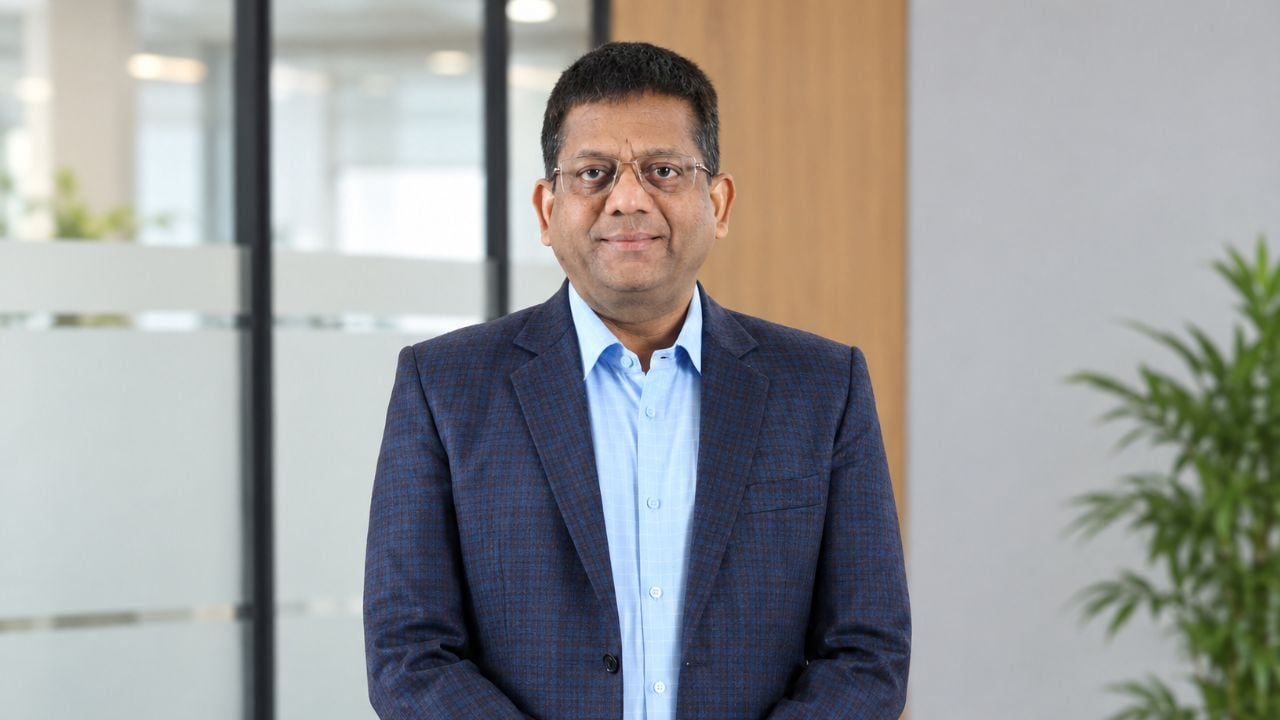


Mr Niccolo Nitti joined Novartis in 2001 and comes with more than 20 years of experience. With a legal background and a Masters in Human Resources, Niccolo has spent his whole career in Novartis in various roles across the company’s different businesses.
Having worked in 4 different countries (Italy, Greece, Switzerland, and India), he joined Novartis’ Mumbai office and is currently the Country People & Organisation Head in Novartis India. He is passionate about people development, coaching leaders and helping people unleash their full potential.
In this exclusive interview with People Matters, Niccolo talks about how organisations can help LGBTQI+ employees be out and vocal, moving beyond tokenistic queer- friendly branding, and the criticality of having LGBTQI+ representation at the leadership level.
What does the corporate landscape look like for LGBTQI+ professionals today? What are some markers of progress and where is change overdue?
The overall landscape for the LGBTQI+ community has witnessed some noteworthy changes in the last few years, especially after the legalisation of same-sex relationships in India. These changes have also begun reflecting in the corporate world as organisations, today, realise that all sectors and verticals of corporates and businesses are integrating diversity, equity & inclusion as integral components.
While most of us are familiar with the words ‘Diversity’, ‘Equity’, and ‘Inclusion’ (DEI), the real question is - How much are we working on implementing the best DEI practices on-ground? In many organisations, progress has been made through inclusive policies, codes of behaviour, and diversity training. Many companies are also making critical business decisions that support LGBTQI+ rights. To create a more diverse and equitable workforce, companies are changing their policies to recruit a higher percentage of LGBTQI+ members.
However, despite these visible signs of progress, complete inclusion is still a long way ahead. Often, LGBTQI+ employees feel isolated in the workplace, which lowers their motivation to become the best and most productive versions of themselves. Here, a secure and inclusive environment could be created by developing initiatives like reverse mentoring, leadership communication on the importance of DEI, and announcing LGBTQI+ friendly benefits, thus making the community feel more supported. Like Australia, Indian Government must promulgate stringent laws that prohibit discrimination and harassment to protect workplace rights for the LGBTQI+ community.
A democratic framework that embraces all identities and their rights is required to foster equality in India’s rising economy.
In addition, focused efforts for psychological safety are a must that takes adequate care of their well-being holistically. To create a safe space for LGBTQI+ employees, platforms should be offered to raise and discuss relevant concerns.
Pride Month continues to witness a spike in conversations around LGBTQI+ inclusion in the workplace. How can leaders steer clear of tokenism here as they engage in dialogue and queer-friendly branding?
We have witnessed that organisations are doing their best and putting hands-on decks during Pride month to recognise the LGBTQI+ community in different ways. However, just having rainbow-colored avatars on social media platforms for a month does not support or change the conversations around LGBTQI+ inclusion. We need to take year-round actions and go beyond Pride month to create a fully inclusive and safe ecosystem that emerges as a culture in our society.
To witness real change, we need to outline and propagate clear action-oriented strategies and dive deeper than these tokenistic efforts.
We must understand the problem at a fundamental level and identify unique approaches to ensure that LGBTQI+ inclusion is integrated into our day-to-day functioning instead of it being a one-off celebration.
For DEI to be truly imbibed within workplace culture, organisations must take better steps to ensure that everyone has equal access to opportunities. Organisations must have a two-way discussion environment that allows people from all communities to feel at ease and create a space where everyone has a sense of belongingness despite individual differences. The culture must change in a way that removes barriers and makes everyone feel equal. While recruitment policies are an important part of inclusivity, one should avoid focusing on numbers to meet certain diversity targets. The goal is to create a diversity-driven corporate culture while being aware of the critical pain points that remain a part of the workplace culture.
Not everyone echoes the need for being inclusive and diverse. How is Novartis bringing its workforce to the same level of understanding and purpose to enable equity?
At Novartis, we are committed to creating a diverse, equitable and inclusive environment that treats all associates with dignity and respect.
Recognising that not everyone has the advantage of starting from the same place, we are working to correct and address this imbalance within the company by providing all our employees with access to the same opportunities.
We want everyone to be free to be their best and true selves at work without fear of discrimination.
To ensure all associates feel safe and secure, we have undertaken several initiatives such as.
- We are the first global pharmaceutical company to support the United Nations Standards of Conduct for Business, tackling discrimination against the LGBTQI+ community. We ensure that all our employees undergo inclusivity awareness and education programs so that they are sensitised to the issues at hand. We have Employee Resource Groups (ERGs) for associates from the LGBTQI+ community and have also launched a Trans Identity Guide. We have been actively running reverse mentoring programs wherein a junior colleague mentors a member of the senior leadership team. We strongly believe that breaking biases requires a top-bottom approach and that once stereotypes are broken, a strong case for diversity and inclusion could be set by the vital roles played by our senior leadership champions.
- By 2023, our aim is to improve our pay equity and transparency processes and achieve gender balance in management. Towards this, we have undertaken the Equal Pay International Coalition (EPIC) pledge. Utilising balance slates and interview panels in our recruitment practices and providing gender-neutral parental leave are some of the other measures we have taken to foster an inclusive and balanced environment.
What are some ways leaders can empower queer talent to be out, visible, and vocal in the workplace? How crucial is LGBTQI+ representation in leadership?
While we, certainly, have started laying the foundation, it is an undeniable fact that organisations in India have a lot more work to do to truly welcome LGBTQI+ talent. That is why leaders and managers must take initiative to create change.
Coming out can be a difficult decision, but one can certainly make it easier by cultivating an environment of acceptance and understanding.
- Driving awareness to encourage an empathetic culture: Organisations must take a lead in providing empathetic leadership training programs and addressing unconscious bias in the workplace. These programs are essential for eliminating the usage of any inappropriate language and microaggressions.
- Improving one’s leadership skills: When it comes to engaging in dialogue with a diverse group, leadership abilities are extremely important. One might need to find strategies to empower the workforce by efforts such as knowing an employee's preferred pronouns and encouraging open conversations with all employees such that a safe space is created for all groups.
In addition, it is crucial to have LGBTQI+ representation at the leadership level - one that goes much beyond having the 'appearance' of diversity to have LGBTQI+ representation in leadership. A leader is looked up to by everyone in the organisation. Having a leader from the LGBTQI+ community will not only break stereotypes but also foster a sense of aspiration in the members of the community that they, too, could be a part of senior leadership irrespective of their sexual orientation. Researchers have also highlighted the importance of diversity amongst board of directors to increase the range of perspectives for more inclusive decision-making.
A significant percentage of LGBT+ employees and leaders have faced homophobia and harassment, at work and home. What is needed from workplaces to truly foster a sense of safety for queer talent?
The LGBTQI+ community often faces a lot of challenges.
People from the community face discrimination, and many continue to fear the consequences of coming out, fearing that it will jeopardise their careers and livelihood.
Corporate India can play an important role in empowering the LGBTQI+ community by:
- Educating fellow employees and making them aware of what the community is about and what it represents
- Respect is a cornerstone of how we interact with one another, and this is being addressed by the emerging concept of pronoun usage
- Analysing the internal biases as they are often expressed in how a team makes choices. Do we still assume that being straight is natural and anything otherwise is made-up? Or do we still believe that LGBTQI+ people dress or behave in stereotypical ways? One way to overcome these biases is to develop professional friendships with people who have different sexual orientations or gender identities than us
- Review internal communications as they might display just as much bias as a personal conversation
- If you are a People or Culture leader, ensure the employees have access to benefits that cover all types of families. Access to support resources can be provided to the LGBTQI+ talent which helps them feel more included and comfortable in the workplace.
Allies play a pivotal role in building a sense of psychological safety for underrepresented groups in the workplace. In your opinion, what are some key behaviours every LGBTQI+ ally must demonstrate to sensitise the broader workforce?
Employees who actively support, advocate for, or work towards LGBTQI+ inclusion are incredibly powerful assets to any organisation.
These allies are one of the key enablers in creating an inclusive community where individuals are comfortable being themselves rather than worrying about their sexual orientation. Sensitisation and generating a broader sense of awareness about the community, and their issues, and breaking biases in the workforce will help people outside the community understand granular aspects of the community. Allies could also actively propel to initiate and regulate anti-discrimination and anti-harassment policies to make the workplace safer for the community.
As organisations enable a multi-generational workforce to let go of bias and discrimination against the queer community, is there something the community can do to accelerate the shift?
Inclusion involves reciprocity, and there is much more that the LGBTQI+ community can do to make their voices heard. While several organisations have a long path to cover in terms of becoming a fully inclusive workplace, to ensure that the community feels heard and included, it is critical that diverse or minority groups actively participate in the discussions.
Often, workplace interactions remain limited to departments or colleagues who are physically seated next to one another. It is a good idea to walk around and initiate interactions with people across departments. If members of the LGBTQI+ community are subjected to any form of exclusion, they must speak up and bring the person's attention to their behaviour in a tactful manner.
To ensure that people outside the communities have a better understanding of the space and the needs, it could be feasible to actively participate in mentoring programs as it provides the opportunity to influence the other person with lived experiences.
As a mentee, people from the LGBTQI community can take the lead and help their mentors understand what inclusion means from an overarching perspective.