







As organisations across Australia and New Zealand accelerate AI adoption, a new question is emerging inside HR and leadership teams: can AI help managers become better leaders?
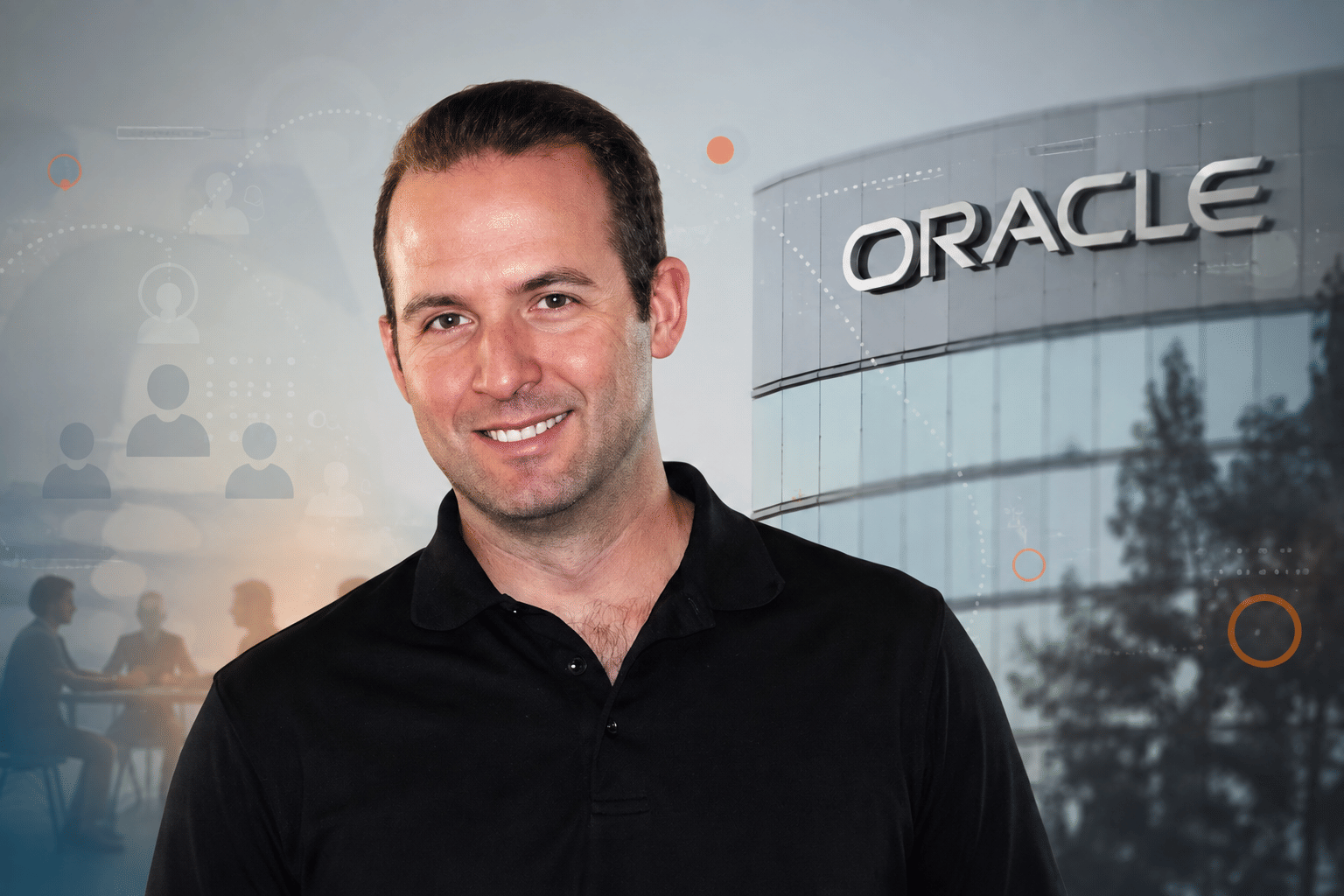
In an exclusive interview with People Matters, Lewis Thompson, Senior Vice President of Applications Development at Oracle, outlined how organisations are increasingly looking beyond automation and exploring AI's role in coaching, employee development and day-to-day leadership support.
His view is clear. AI should strengthen managerial effectiveness, while keeping human judgement firmly at the centre of people decisions.
The challenge of leading consistently at scale
Managers today face a widening remit. They are expected to support career growth, maintain engagement, navigate organisational change and deliver business outcomes, often while handling growing administrative workloads.
According to Thompson, one of the biggest leadership challenges organisations face is ensuring managers can lead consistently across teams and geographies.
"Managers are expected to coach employees, navigate change, support career growth, maintain engagement, and deliver business results, all while managing increasing administrative demands."
He noted that the challenge is particularly acute for new managers and leaders overseeing distributed teams.
As AI becomes embedded into everyday work, organisations are exploring how technology can help managers handle increasing complexity without replacing the human aspects of leadership.
From automation to leadership enablement
Thompson said customer conversations around AI have evolved significantly over the past few years.
Earlier discussions focused largely on efficiency gains and administrative automation. Today, organisations are looking at how AI can support better leadership practices.
"We're seeing a shift in how organisations think about AI. Early conversations were largely focused on automating administrative tasks and improving efficiency. Increasingly, the discussion focuses on how AI can help managers become more effective leaders."
He highlighted several areas where organisations see potential value:
- Improving the quality of one-to-one discussions
- Recognising employee achievements more consistently
- Identifying development opportunities
- Preparing managers for difficult conversations
- Providing greater context before employee interactions
"The real opportunity is helping managers spend more time on the conversations and coaching that will have the greatest impact on employee performance and engagement."
Organisations want AI support, not AI control
One of the strongest themes emerging from Oracle's customer discussions is a growing acceptance of AI as a support tool rather than a decision-maker.
According to Thompson, organisations are becoming more comfortable with AI involvement as long as managers remain accountable.
"Organisations are becoming increasingly comfortable with AI supporting managers, provided it enhances human judgement rather than replaces it."
He said conversations have shifted from whether organisations should deploy AI to where it can create the most value.
"What we're seeing is strong interest in using AI to help managers navigate conversations more effectively, identify patterns they might otherwise miss, and recommend the next best actions."
At the same time, organisations continue to place high importance on managerial discretion in areas where context, empathy and personal circumstances matter.
"Organisations want managers to exercise their own judgement, particularly in areas such as performance, career development, employee wellbeing, and organisational change."
Trust remains the biggest hurdle
Despite growing enthusiasm, Thompson said HR leaders continue to raise concerns around trust, governance and accountability.
"The first conversation is almost always about trust."
According to Thompson, HR leaders typically focus on three key issues:
- Whether AI recommendations are grounded in organisational context
- How sensitive workforce data is protected
- Whether managers retain responsibility for people decisions
He drew a distinction between AI-assisted management and AI-driven management.
"HR leaders don't want AI making people decisions; they want AI helping managers make better, more informed people decisions."
The emphasis reflects a broader trend across enterprise AI deployments, where governance and transparency remain critical adoption requirements.
Where AI helps and where managers must decide
Thompson believes AI delivers the greatest value before conversations happen, not during final decision-making.
"AI delivers the greatest value when it helps managers prepare rather than decide."
He said AI can consolidate information from multiple sources, identify patterns, surface recognition opportunities and highlight development priorities.
Among the areas where AI can support managers are:
- Bringing together relevant workforce information
- Identifying trends and patterns
- Highlighting recognition opportunities
- Surfacing goals and feedback before meetings
- Supporting preparation for performance discussions
However, Thompson stressed that judgement should remain with managers.
"Human judgement should always come first wherever empathy, individual circumstances, or organisational nuance matter."
He added that areas such as performance discussions, employee wellbeing and career development require emotional intelligence and experience that technology cannot replicate.
Fairness and transparency under scrutiny
As organisations increasingly deploy AI in talent and performance processes, concerns about bias and fairness continue to attract attention from HR leaders.
Thompson said Oracle's approach begins with keeping managers responsible for final decisions.
"Fairness and transparency start with keeping managers responsible for people decisions."
He said AI should provide context and recommendations while organisations maintain control over governance, security and compliance requirements.
"AI provides recommendations and context, but managers remain responsible for considering individual circumstances and making fair decisions."
A future focused on coaching and change leadership
Looking ahead, Thompson expects AI to become increasingly invisible within management workflows.
Rather than spending time gathering information, managers will be able to focus more attention on coaching, employee development and organisational change.
"Five years from now, I think the best managers will spend far less time searching for information and far more time acting on it."
He believes AI will increasingly work behind the scenes, helping managers understand team dynamics, prepare for discussions and identify development opportunities.
Yet the core attributes of leadership will remain distinctly human.
"A manager's value won't come from having all the answers. It will come from asking better questions, building trust, exercising sound judgement, and creating an environment where people can do their best work."
For organisations across Australia and New Zealand navigating rapid workplace transformation, the message is straightforward: AI may reshape how managers access information, but leadership itself will continue to depend on judgement, trust and human connection.